







(Hanoi, November 13, 2026) Beyond simply showcasing technological advancements, the International Conference “Artificial Intelligence in Construction – AI4CONS 2026” aims to address practical challenges in the industry, foster connections between scientific research, training, and businesses, and lay the foundation for the formation of an artificial intelligence ecosystem in Vietnam's construction sector.
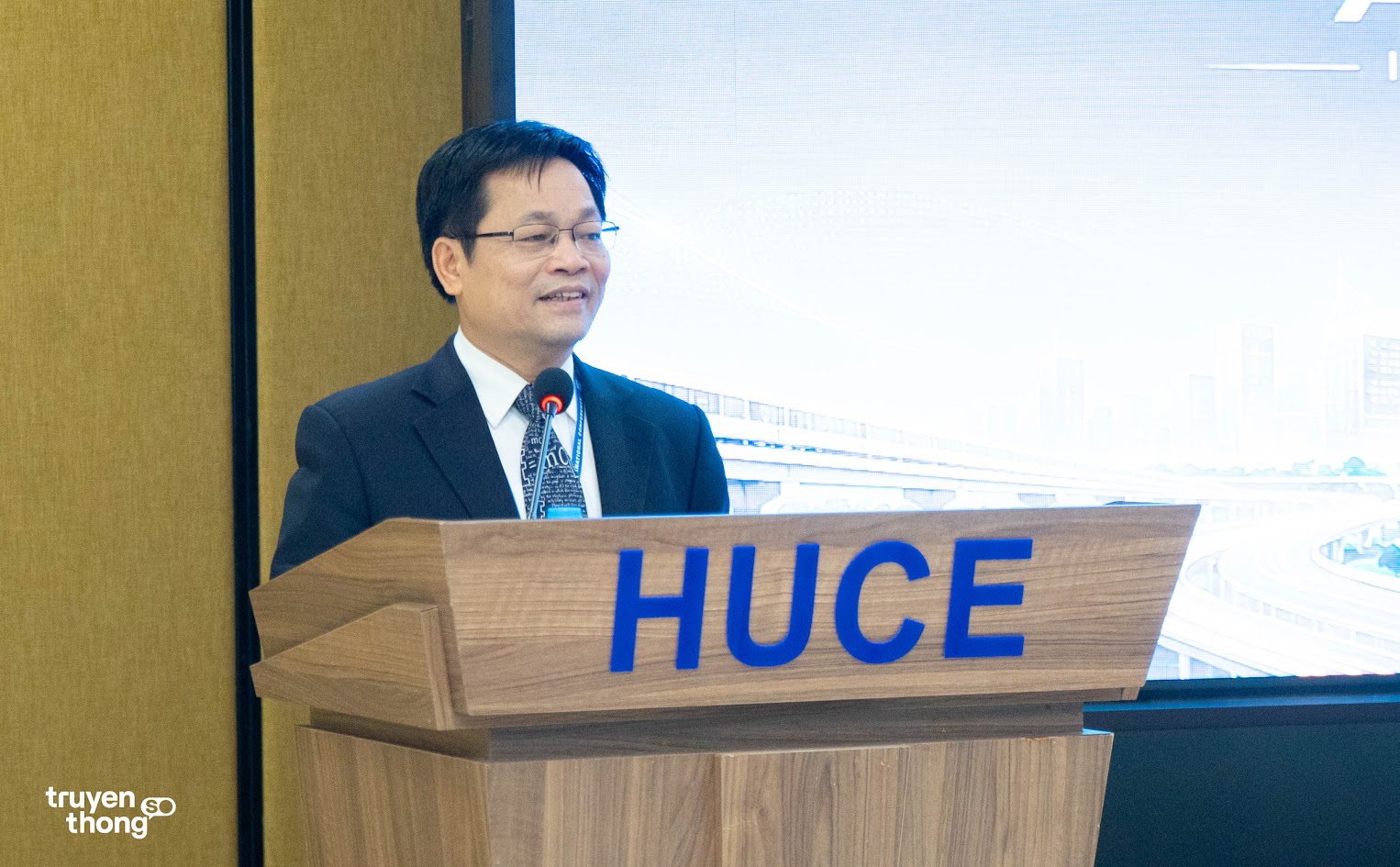
Held at Hanoi University of Civil Engineering (HUCE), AI4CONS 2026 was organized by the University in collaboration with the Federation of Schools and Institutes of Information and Communication Technology of Vietnam (FISU Vietnam), under the patronage of the Ministry of Construction and the Ministry of Science and Technology, and in coordination with the Vietnam Construction Association and the Vietnam Informatics Association. Guests included the Deputy Minister of Construction Pham Minh Ha, representatives from the Vietnam Construction Association, and the Vietnam Informatics Association; from the co-organizing unit, Professor Dr. Nguyen Thanh Thuy – President of FISU Vietnam; and from the University, Associate Professor Dr. Hoang Tung – Rector, and Vice Rectors Professor Dr. Nguyen Hoang Giang and Associate Professor Dr. Pham Thanh Tung. With a large number of representatives from management, sponsors, department and faculty leaders, scientists, technology experts, and students... creating a forum for academic exchange and collaborative networking in a field that is having an increasingly profound impact on the future of the construction industry.
From applying technology to comprehensive innovation in construction operations.
Artificial intelligence is transforming the way humans design, organize, manage, and operate socio-economic activities. In the construction industry, AI is not simply a supporting tool but has the potential to become a foundational technology, contributing to restructuring operational processes throughout the entire project lifecycle. From architectural design, BIM, structural analysis to schedule management, cost management, contract management, construction supervision, and infrastructure operation, AI opens up possibilities for automating many processes, more efficient data exploitation, and supporting accurate and timely decision-making. However, the gap between technological potential and practical application remains significant. Challenges regarding data quality, system compatibility, reliability of AI results, human resource capacity, and coordination mechanisms among stakeholders are still issues that need to be addressed.
This is the overarching direction of AI4CONS 2026: shifting from discussions about what AI can do to discussions about what the construction industry needs to do to apply AI effectively, responsibly, and appropriately to Vietnam's conditions.
Speaking at the workshop, Deputy Minister of Construction Pham Minh Ha highly appreciated the initiative of Hanoi University of Civil Engineering in organizing this workshop for the first time and expressed his hope that it would become an annual event. According to the Deputy Minister, “practical experience shows that the application of AI in the construction industry currently faces many difficulties and obstacles. The industry's database is still incomplete, scattered, not standardized or unified; there is a significant shortage of human resources with expertise in construction and knowledge of technology, especially AI. Specialized AI products and solutions are limited and not widely applied in practice.” Therefore, organizing this workshop contributes significantly to training and improving the effectiveness of AI applications in activities related to the construction sector.
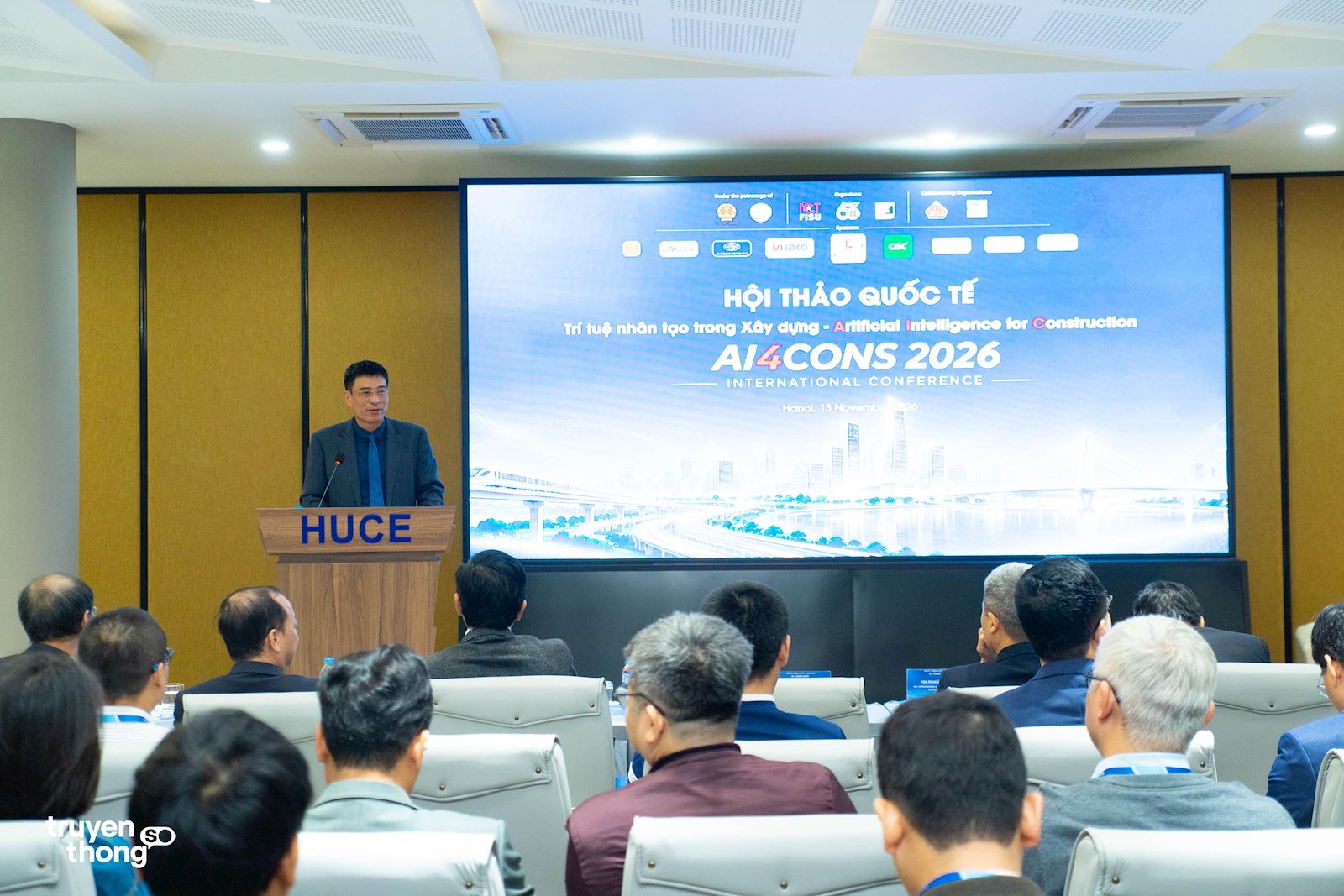
Regarding the issues raised by Deputy Minister of Construction Pham Minh Ha, Associate Professor Hoang Tung – Rector of Hanoi University of Civil Engineering – also expressed agreement with the view that AI must be applied correctly and effectively in the development and implementation of training programs. Secondly, engineers and architects graduating from Hanoi University of Civil Engineering must possess the mindset and ability to apply AI in their work. And thirdly, the university must have a data foundation and possess a technological platform related to AI in particular and in construction in general to be able to apply it effectively.
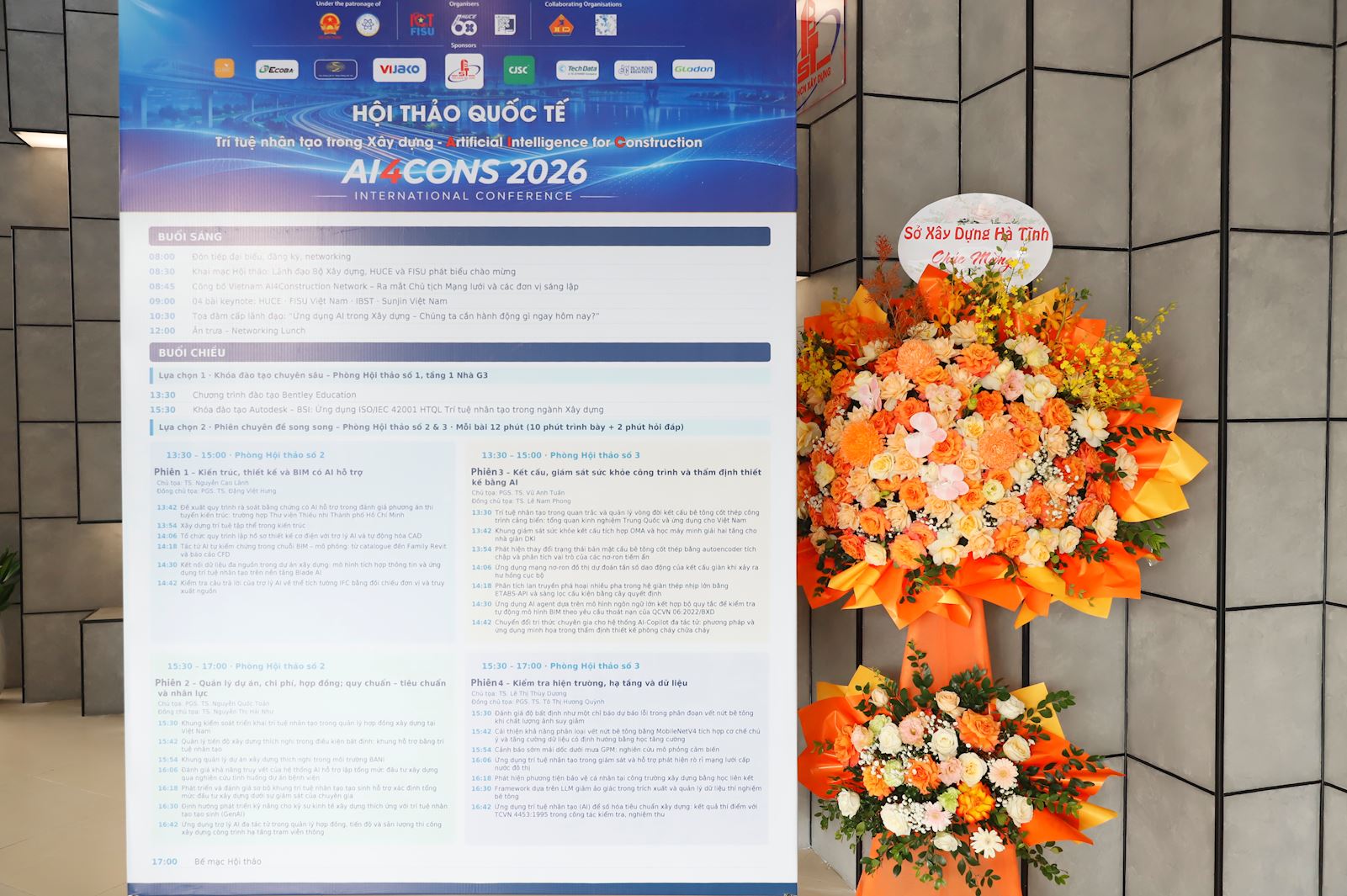
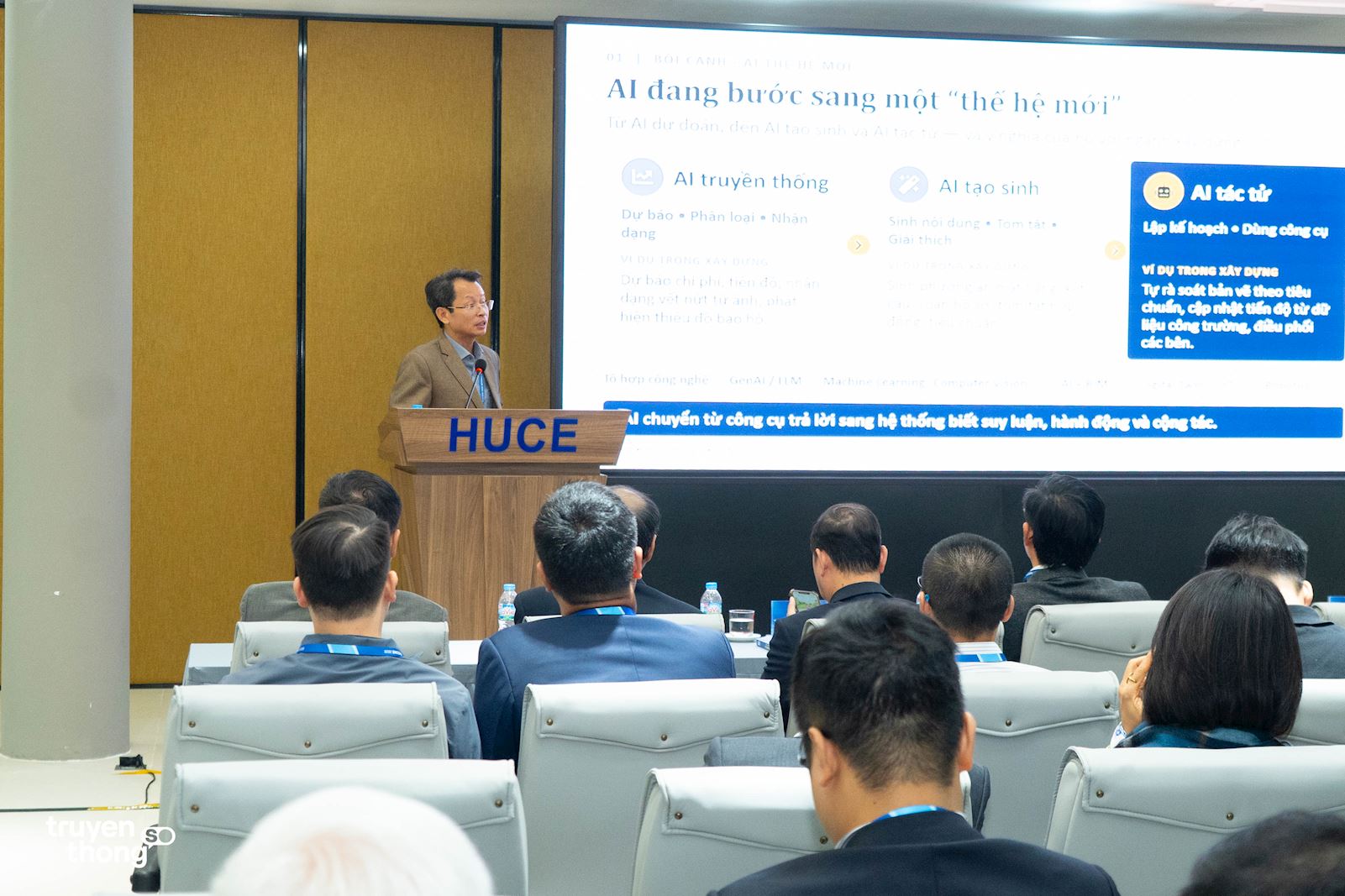
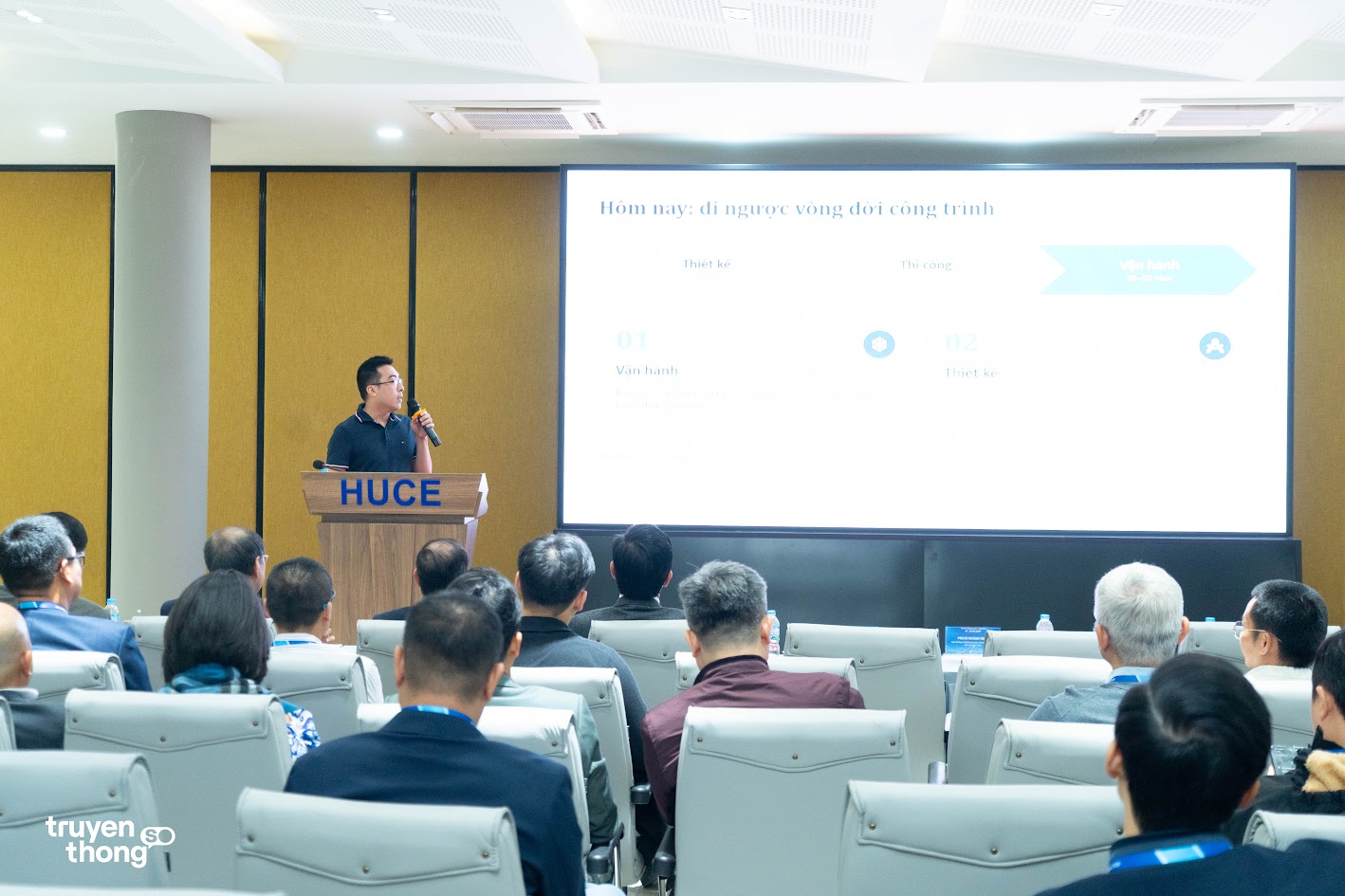
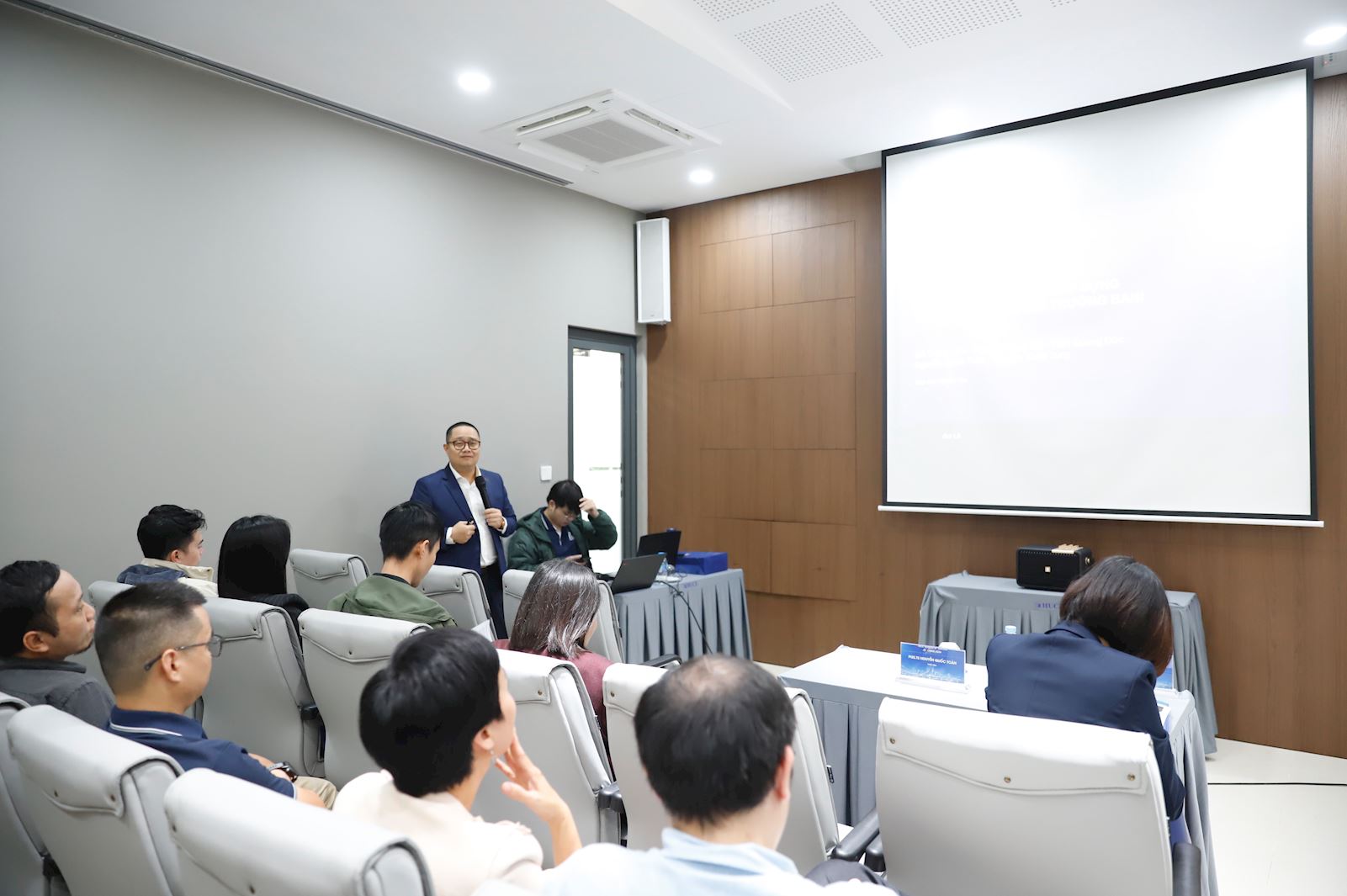
AI4CONS 2026 focuses on complementary content, ranging from exchanging development directions and publishing research results to introducing practical applications. In two parallel thematic sessions, 28 peer-reviewed scientific papers were presented, focusing on research directions in architecture, design, and BIM; project management, costs, contracts, standards, and human resources; structural engineering and building health monitoring; and site inspection, infrastructure, and data. These topics demonstrate that AI is no longer limited to a few specialized technology fields but is gradually penetrating many aspects of construction activities, creating a need for interdisciplinary research and the potential for integrating solutions in practice.
The value of research lies not only in the algorithms or technological models developed, but more importantly in its ability to solve specific problems: improving construction safety, minimizing errors, optimizing costs, enhancing productivity, and supporting management decisions. This shows that the trend in AI research in construction is gradually shifting from technology experimentation to integration and practical application.
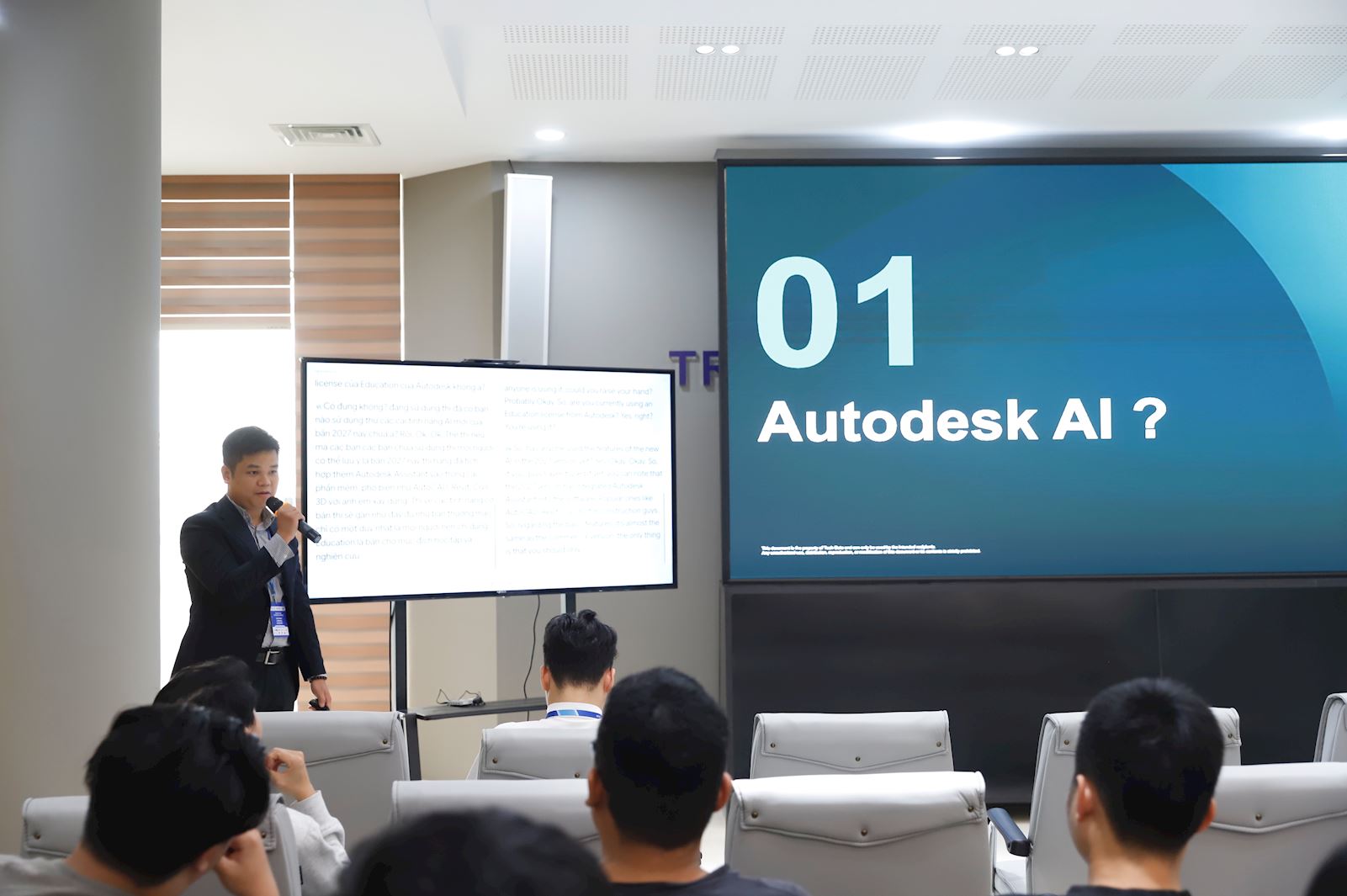
Alongside academic activities, the AI4Construction Showcase area showcases AI products and application scenarios from businesses, combined with in-depth training programs and Autodesk BSI.
Launching the AI4Construction Vietnam Network – connecting to create synergistic power.
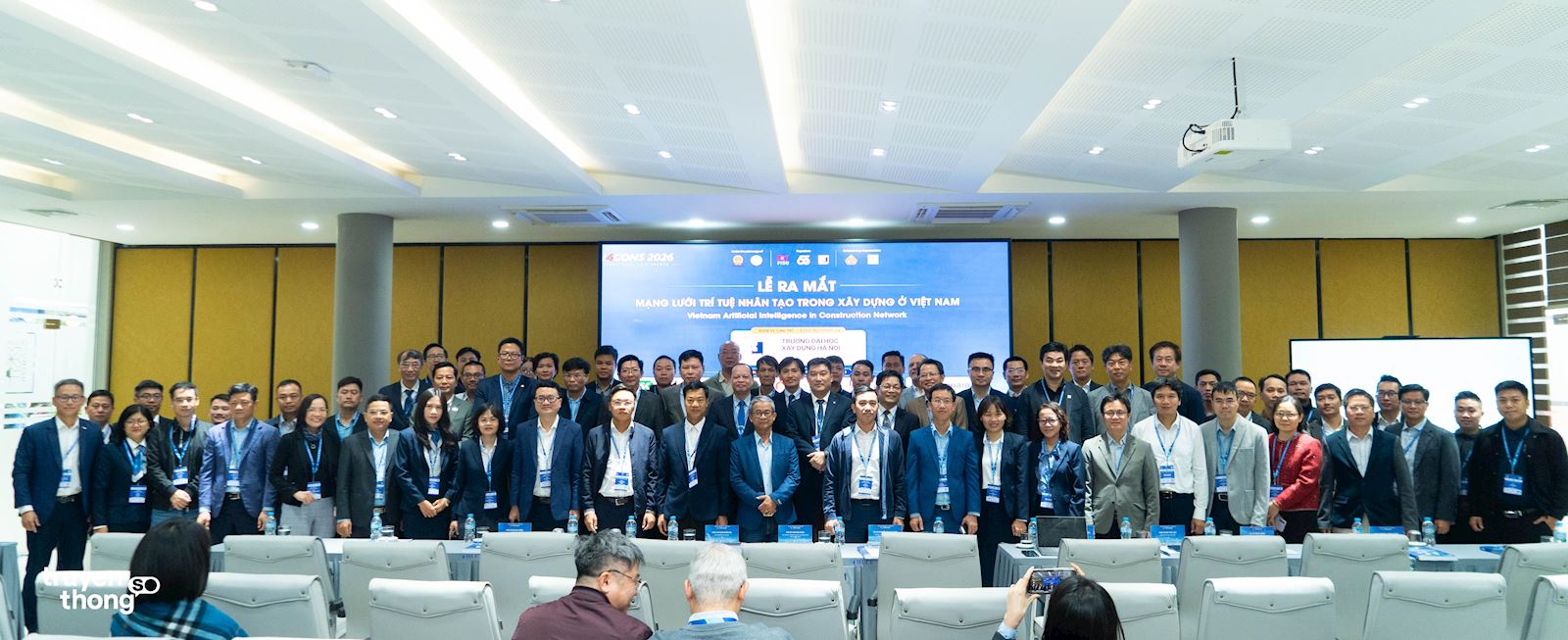
A key strategic highlight of the Conference was the announcement of the establishment of the Vietnam AI4Construction Network, initiated by Hanoi University of Civil Engineering.
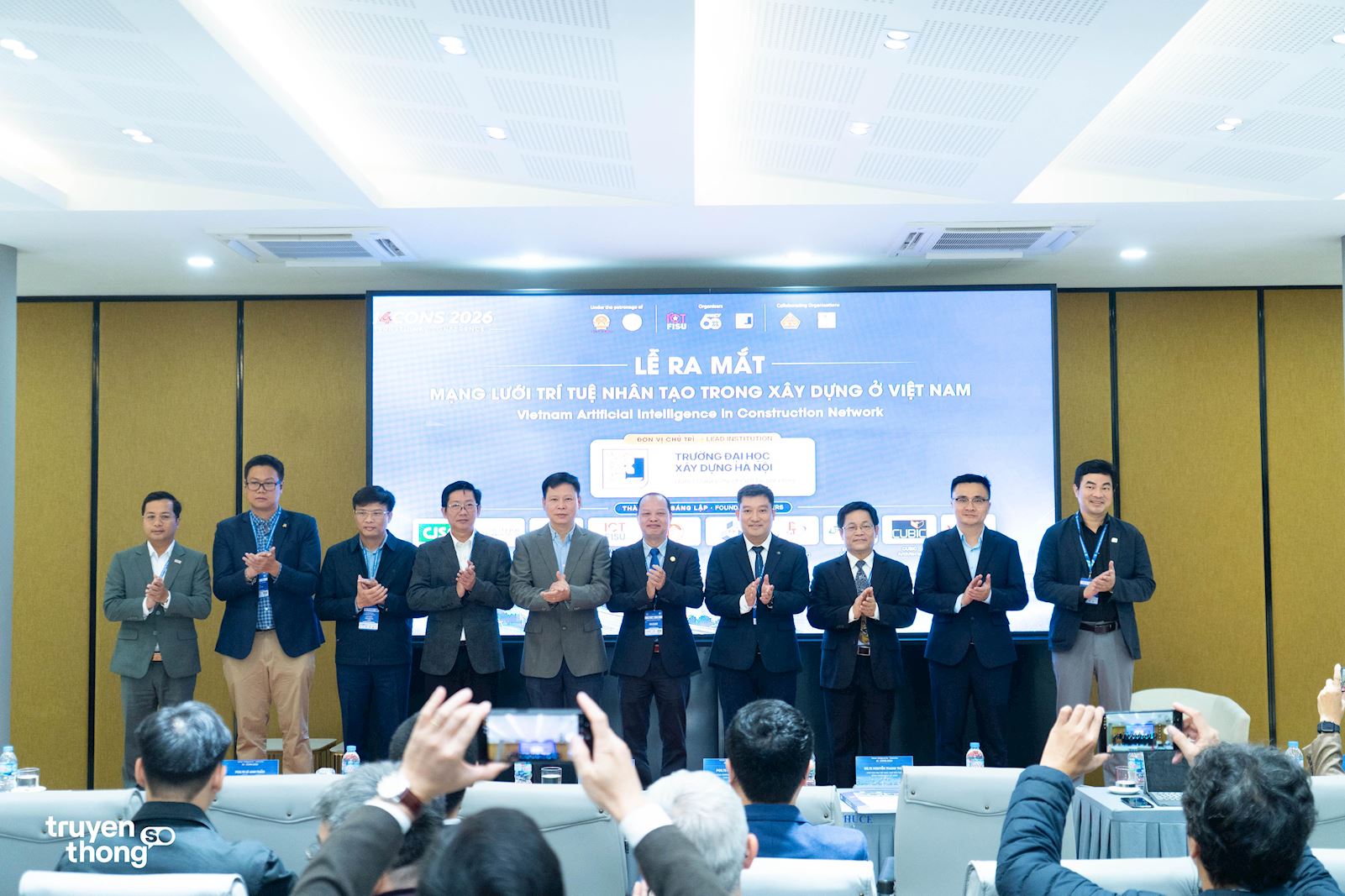
This step is significant and goes beyond the scope of a scientific conference. Because for AI to truly become a driving force for innovation in the construction industry, no single university, research institute, or enterprise can fully address the challenges. What is needed is an interdisciplinary collaborative environment where scientists can access real-world problems, businesses can find suitable technological solutions, and training institutions can update their programs and develop human resources to meet new demands.
The AI4Construction Vietnam network aims to connect universities, research institutes, experts, and businesses; promote knowledge sharing, form research groups, develop collaborative programs, and transfer technology. In particular, the network hopes to create a two-way bridge between the innovation needs of businesses and the research and training capabilities of scientific institutions.
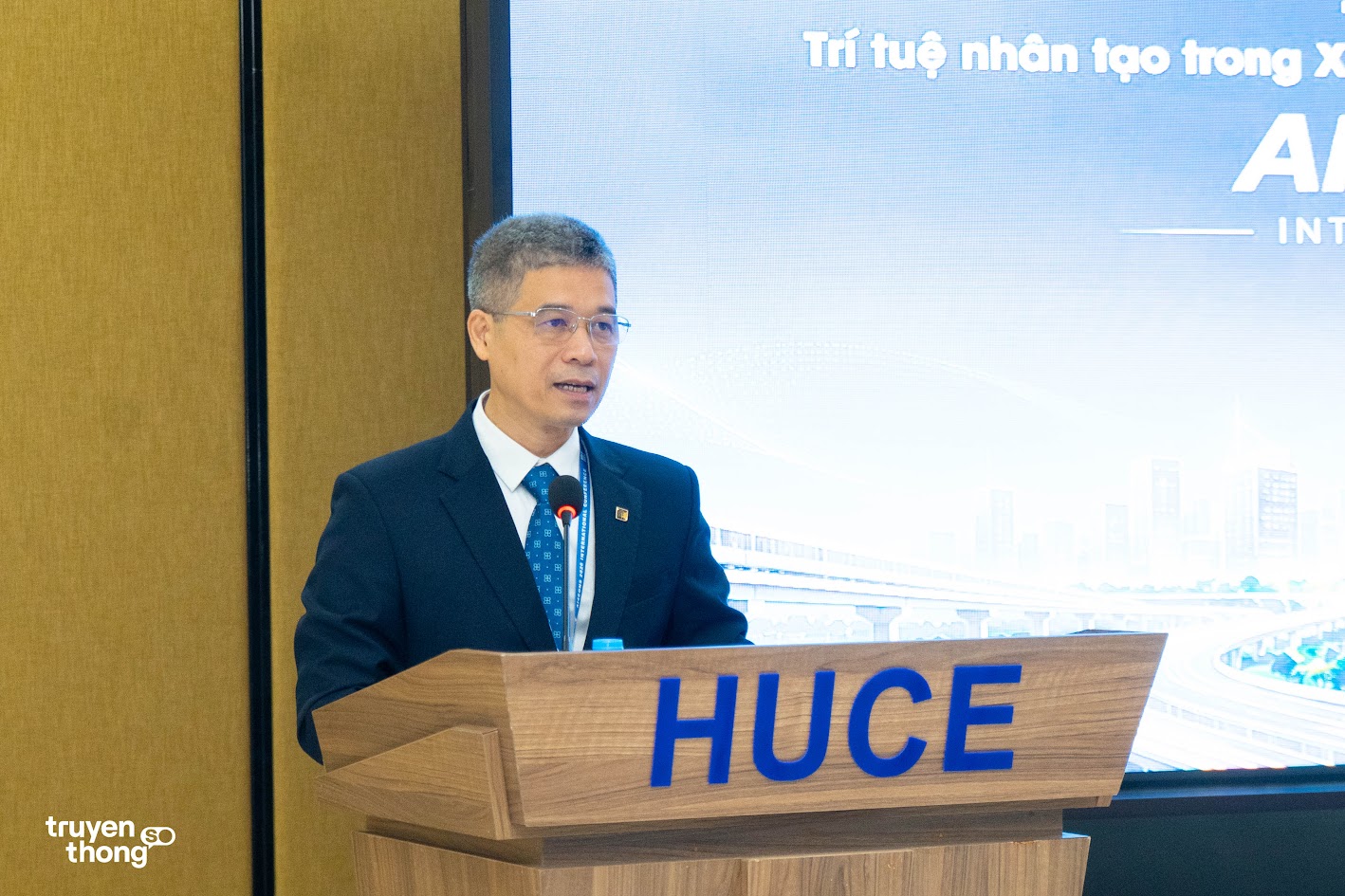
Professor Nguyen Hoang Giang, Vice Rector of HUCE and Head of the Conference Organizing Committee, emphasized: “We hope that the Conference Proceedings and activities will be useful reference materials, contributing to the formation of the AI4Construction Vietnam Network and promoting strong research, training, and technology transfer collaborations in the future.”
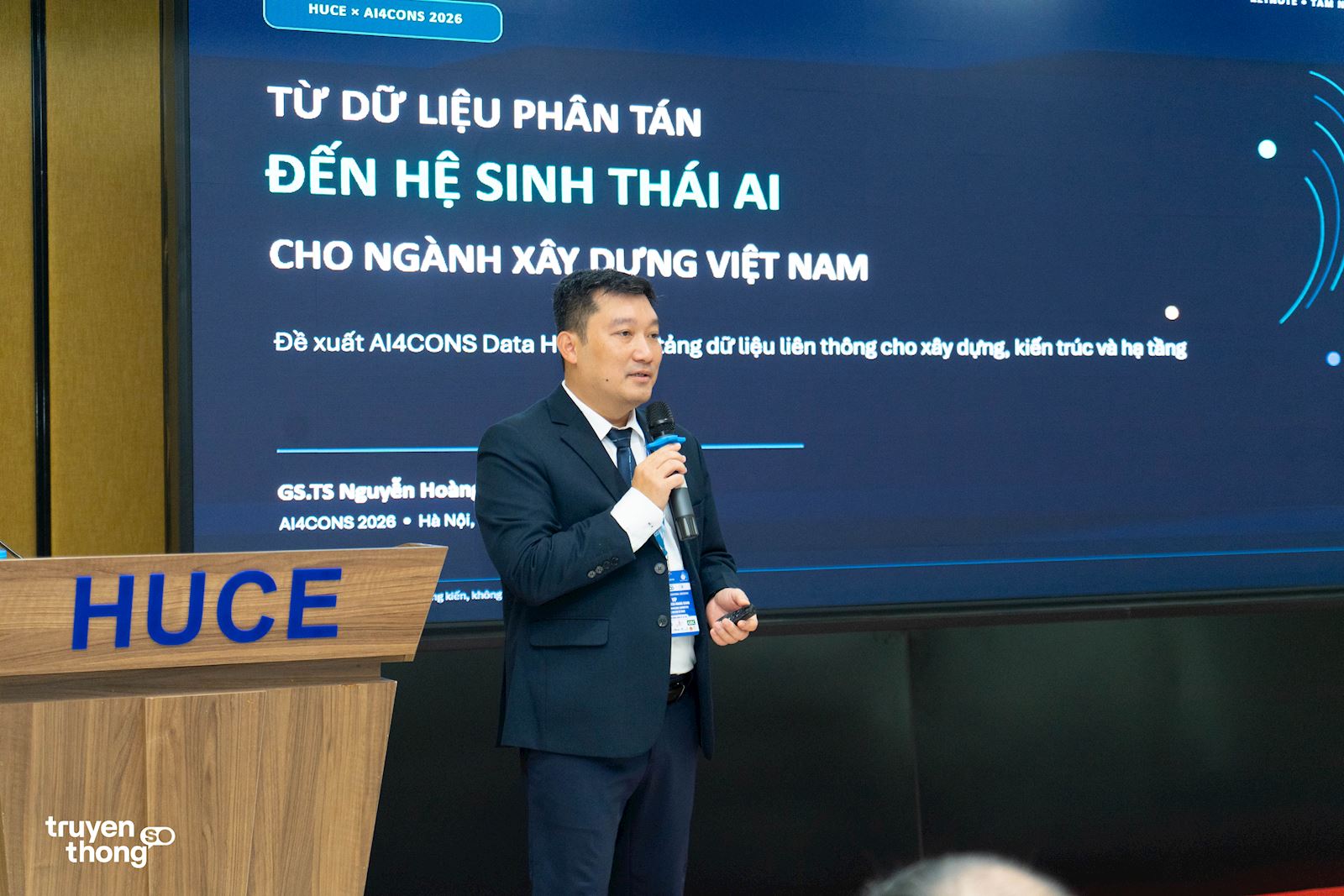
HUCE proactively supports the digital transformation of the construction industry.
AI4CONS 2026 is one of the key activities leading up to the 60th anniversary of the establishment and 70th anniversary of training at Hanoi University of Civil Engineering. Initiating an in-depth international forum on AI in construction and promoting the formation of a national cooperation network reflects the university's development orientation: closely linking training, scientific research, and innovation with the development needs of the industry and the country.
From the shared research results and introduced technological solutions to the initiative to form the AI4Construction Vietnam Network, AI4CONS 2026 is expected to open up valuable long-term connections and cooperation programs. This is also a practical contribution of Hanoi University of Civil Engineering in promoting science and technology, innovation and digital transformation, accompanying the Vietnamese construction industry into a new phase of development.
Phòng TT&TS