







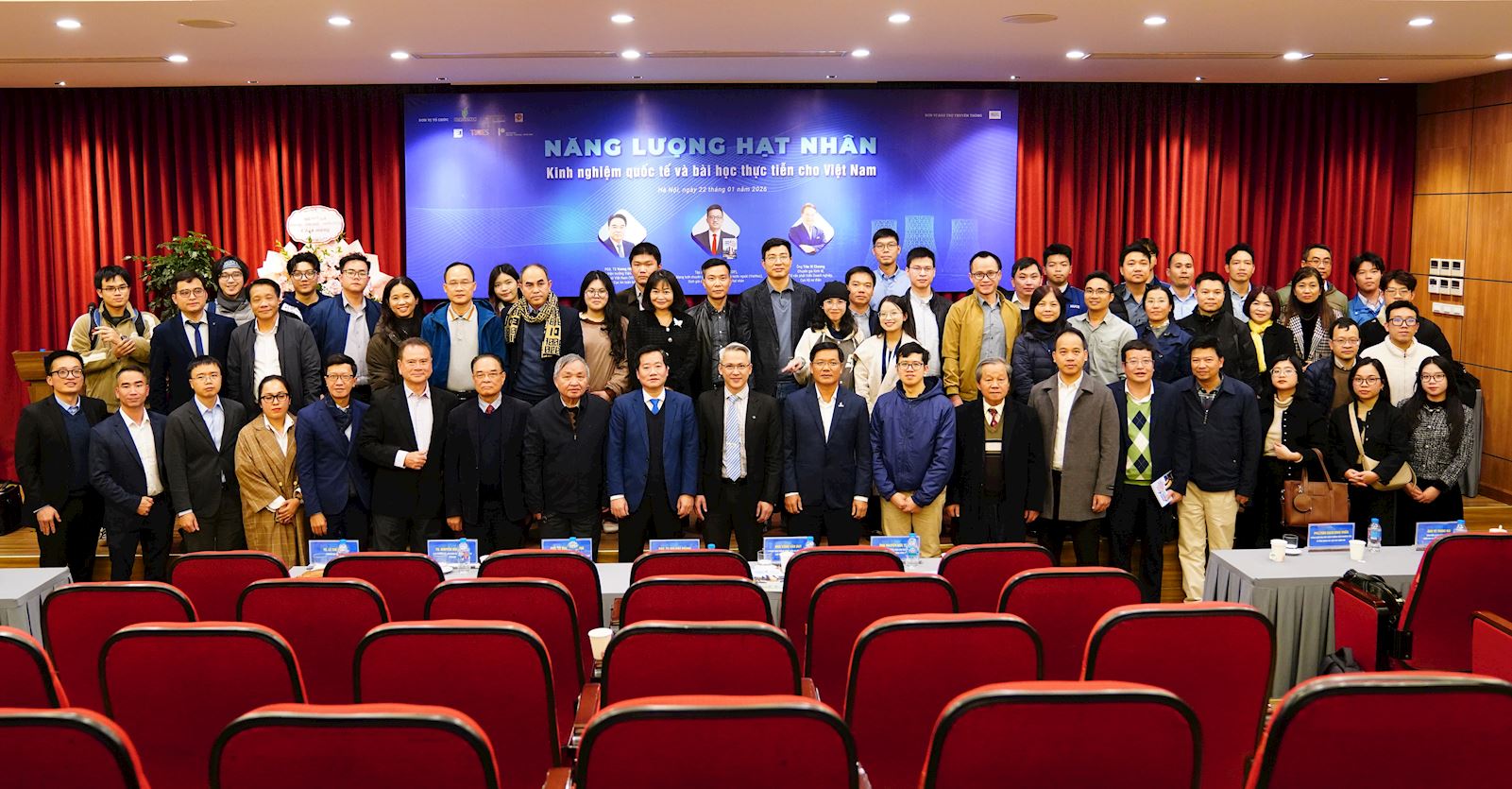
On January 22, 2026, the seminar “Nuclear Energy: International Experiences and Practical Lessons for Vietnam” was held at Hanoi University of Civil Engineering. The program was organized by TIMES Publishing Joint Stock Company in collaboration with Hanoi University of Civil Engineering, Vietnam National Energy Corporation (PetroVietnam – PVN), Vietnam Petroleum Technical Services Corporation (PTSC), the Network of Vietnamese Nuclear Energy Experts Abroad (VietNuc), and the Science, Technology and Communication Publishing House, with media sponsorship from the French Institute in Vietnam.
Participating in the seminar were, on behalf of Hanoi University of Civil Engineering, Assoc. Prof. Dr. Bui Phu Doanh – Vice Rector, along with numerous lecturers and students from engineering, construction, and energy disciplines; on the guest side, Dr. Nguyen Hoang Linh - Director of the Department of Radiation and Nuclear Safety, Ministry of Science and Technology; and reputable experts with extensive experience in the field of nuclear energy who shared their insights at the seminar, including: Dr. Pham Tuan Hiep – French Electric Power Group (EDF), General Secretary of VietNuc, translator of the book "Nuclear Energy - Why?"; Assoc. Prof. Dr. Vuong Huu Tan – former Director of the Vietnam Atomic Energy Institute (VINATOM), former Director of the Department of Radiation and Nuclear Safety; Mr. Tran Si Chuong – economic expert, business development consultant, former electrical engineer; representatives from co-organizing units, along with numerous researchers and readers interested in energy policy.
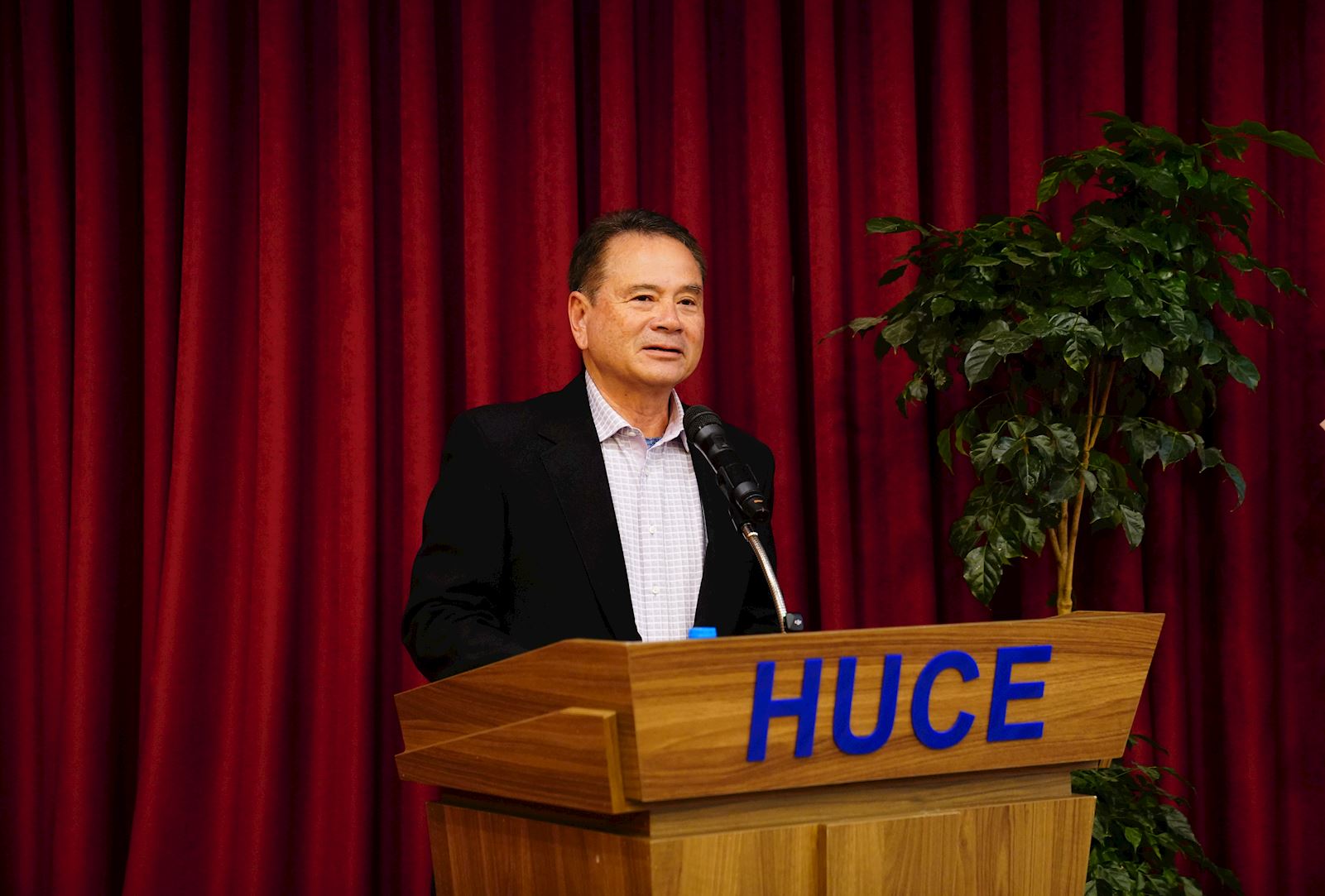
In his welcoming remarks at the seminar, Associate Professor Bui Phu Doanh – Vice Rector of Hanoi University of Civil Engineering – emphasized: “Hanoi University of Civil Engineering is one of the key educational institutions selected by the Government to participate in the Human Resource Development Project for the nuclear power industry. The university will continue to leverage its strengths in training, teaching, and research in this field, constantly innovating and creating to transform theoretical knowledge into practical knowledge for our students.”
The seminar focused on analyzing international experiences in nuclear power development, particularly in countries with a high proportion of nuclear power, such as France. Speakers emphasized that the success of nuclear power depends not only on reactor technology but also on institutional systems, independent oversight mechanisms, a safety culture, and the quality of human resources. Lessons from international practice show that nuclear power is not a "magic bullet," but a choice requiring long-term preparation, serious investment, and the highest level of risk management.
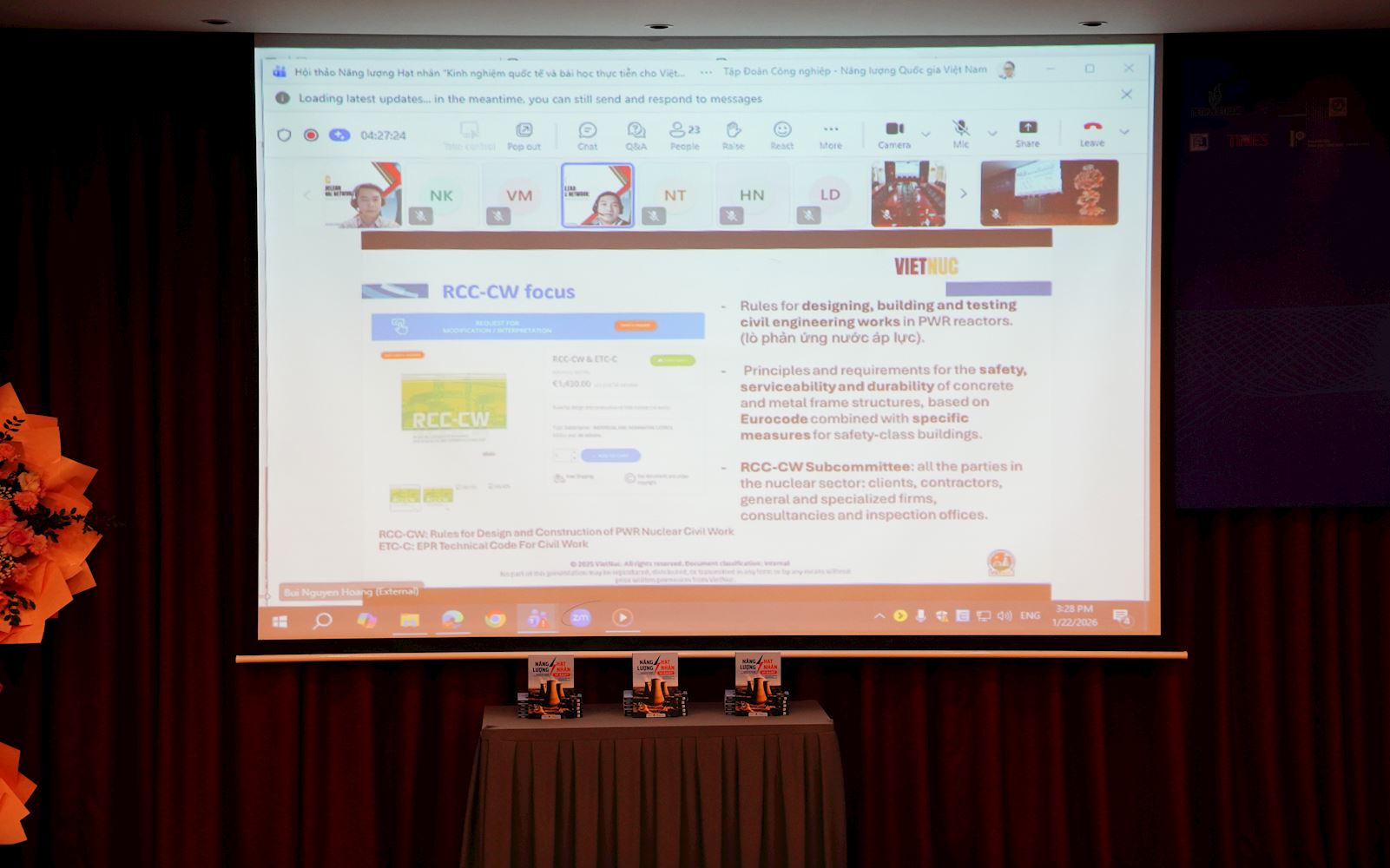
At the first discussion session, Dr. Pham Tuan Hiep – from the French Electric Power Group (EDF), General Secretary of VietNuc, and translator of the book "Nuclear Energy - Why?" – shared very useful practical experiences. According to Dr. Hiep, there is a "golden triangle" in training human resources for nuclear energy: Enterprises – Research Institutes – Universities. Hanoi University of Civil Engineering – as one of the 11 educational institutions designated to train high-quality nuclear human resources – needs to pay attention to the overarching issues in its training work, including four main areas: the general demand for human resources; the return of nuclear power plants; the human resource challenge in the nuclear industry; and skills and career paths.
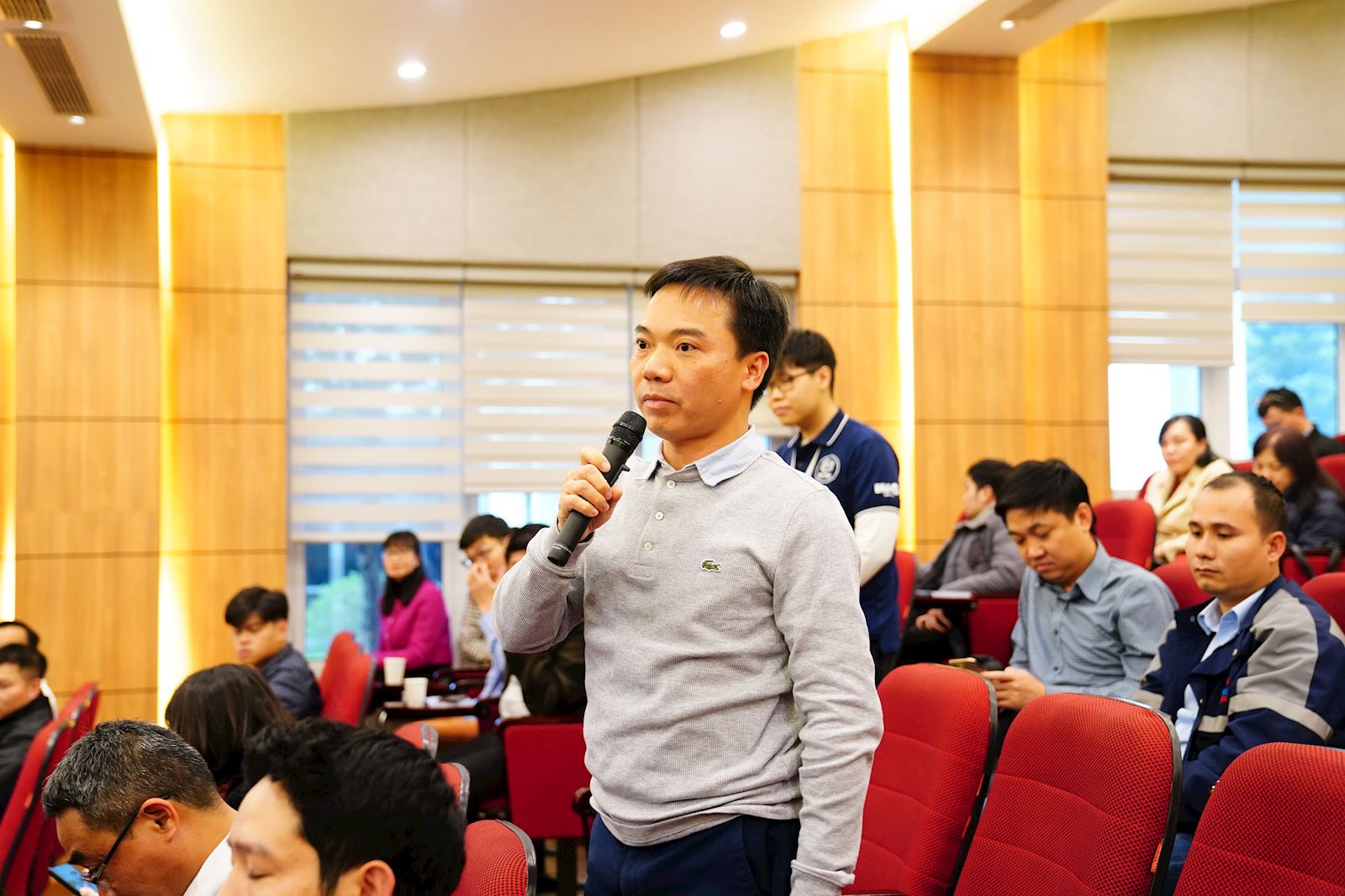
Besides analyzing international experiences, the seminar also raised questions about the applicability of those lessons to the specific conditions of Vietnam. Speakers will discuss the requirements for planning, policies, human resource training, and coordination between management agencies, businesses, and training institutions. In particular, the role of universities in preparing high-quality technical human resources was emphasized as a key factor if Vietnam wants to approach nuclear power in a systematic and safe way in the future. Mr. Tran Si Chuong – an economist, business development consultant, and former electrical engineer – in the third discussion session also frankly shared the experience from the United States in the nuclear industry, stating that "the biggest risk does not come from the machinery, but from the human factor." This once again affirms the importance of training high-quality human resources.
Amidst the ongoing global energy transition aimed at addressing climate change and ensuring energy security, nuclear power continues to be considered by many countries as one of the crucial pillars of their national power systems. Energy transition is no longer an option, but a "mandate" for the future. In the context of global climate change and energy security, Vietnam is facing historic decisions. With its ability to provide stable, large-scale electricity and low carbon emissions, nuclear power offers both significant potential and imposes stringent requirements regarding safety, risk management, and institutional capacity. For Vietnam, correctly understanding the role, limitations, and conditions for the development of nuclear power is crucial. rave; a crucial premise for any discussion about the future of energy.
INTRODUCTION TO THE BOOK "NUCLEAR ENERGY - WHY?"
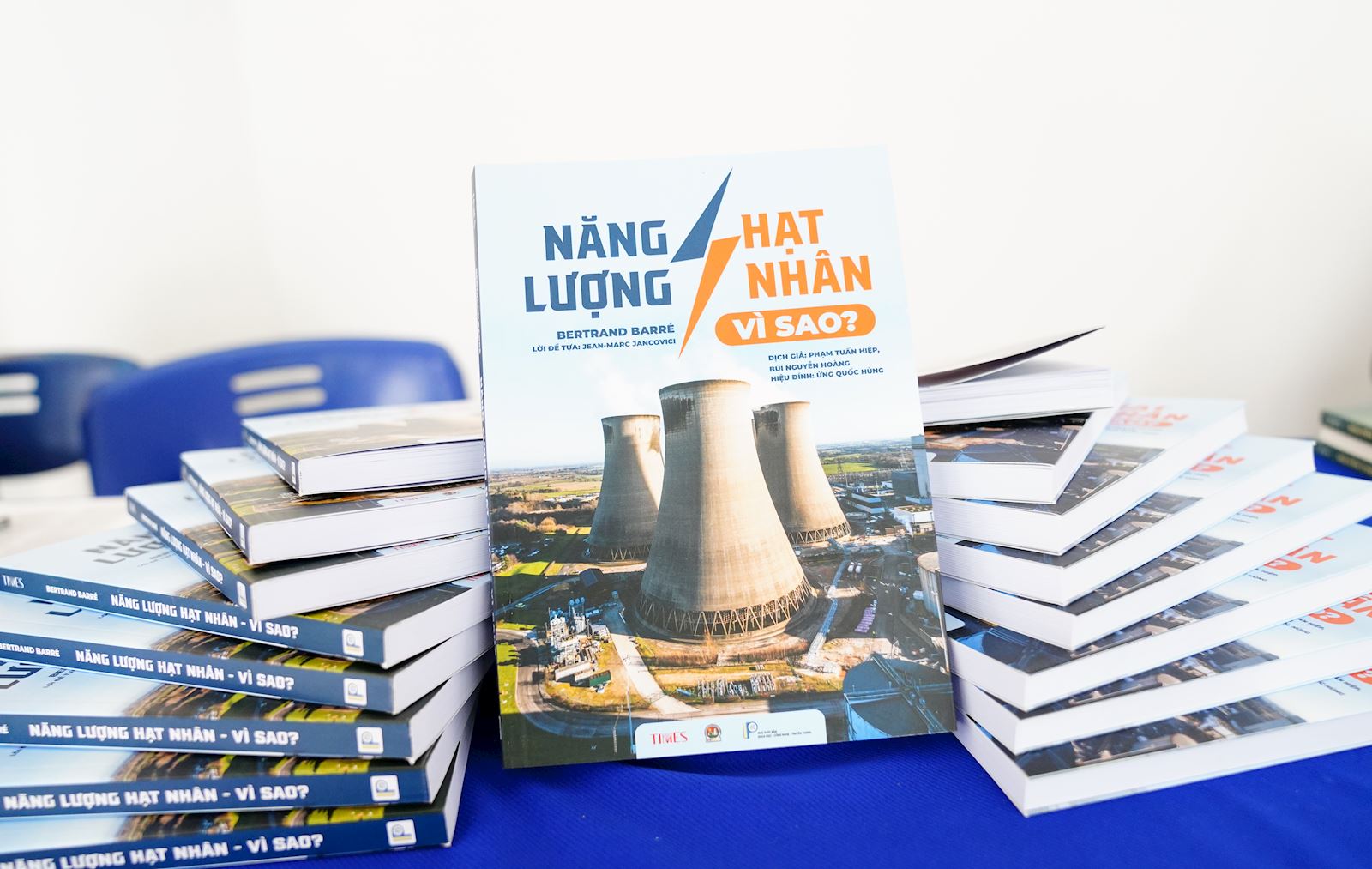
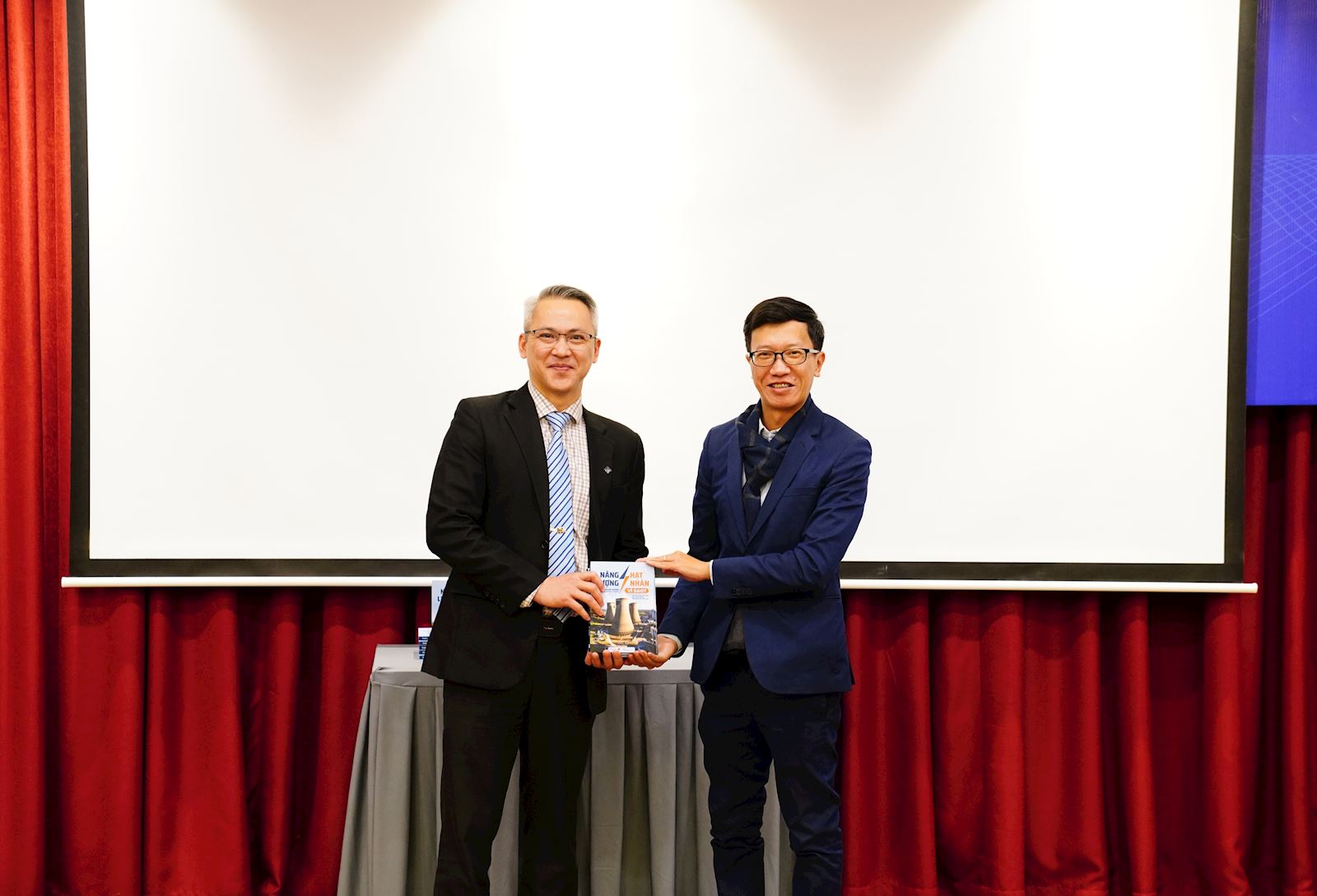
As part of the program, the organizers also introduced the book "Nuclear Energy – Why?" by Bertrand Barré, former Chief Scientific Officer of AREVA (now Orano), one of the largest nuclear corporations in France. The book was translated into Vietnamese by Dr. Pham Tuan Hiep and Bui Nguyen Hoang (Chairman of VietNuc), with editing by Mr. Ung Quoc Hung (Vice Chairman of VietNuc).
This book aims to explain and clarify the controversies surrounding nuclear energy using a scientific, technical, and economic approach. Instead of blindly advocating or vehemently opposing it, the author raises fundamental questions: Is nuclear power truly a low-emission energy source? What are the costs of building and operating nuclear power plants compared to other energy sources? Are historical nuclear accidents inevitable? How is radioactive waste managed and what are the long-term risks? And what are the consequences for climate and society if countries abandon nuclear power?
A highlight of the book is the author's analysis of major accidents such as Three Mile Island, Chernobyl, and Fukushima, not to incite fear, but to draw out the technical and management lessons that have shaped current safety standards. At the same time, the author devotes considerable space to discussing radioactive waste, from the scientific nature of radioactivity and its impact on human health to the management, recycling, and long-term storage solutions being applied in developed countries.
With its 14 chapters, the book guides readers from the history of nuclear exploration and the operating principles of nuclear power plants to the economic, political, and future prospects of nuclear power. The pedagogical, easy-to-understand yet comprehensive writing style makes the book a useful reference for students, engineers, managers, and the general public interested in energy policy.
Through the seminar at Hanoi University of Civil Engineering and the introduction of the book "Nuclear Energy – Why?", the organizers hope to contribute to enhancing scientific understanding of nuclear energy, promoting dialogue based on international data and experience, and connecting academic knowledge with the practical development of energy in Vietnam. The series of events is expected to lay the foundation for serious, long-term, and responsible discussions on the role of nuclear power in the national energy strategy.
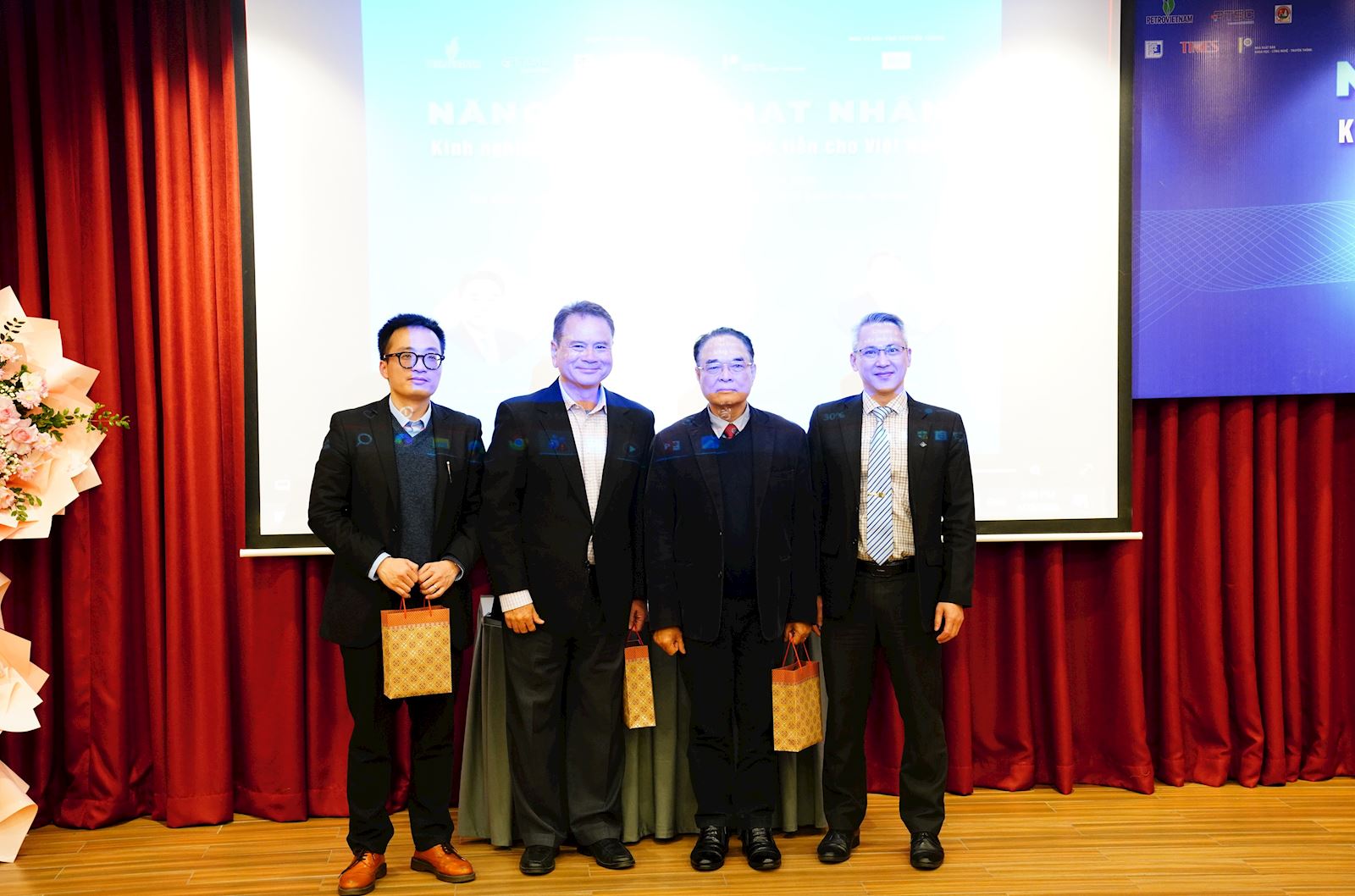
Here are some photos from the event:
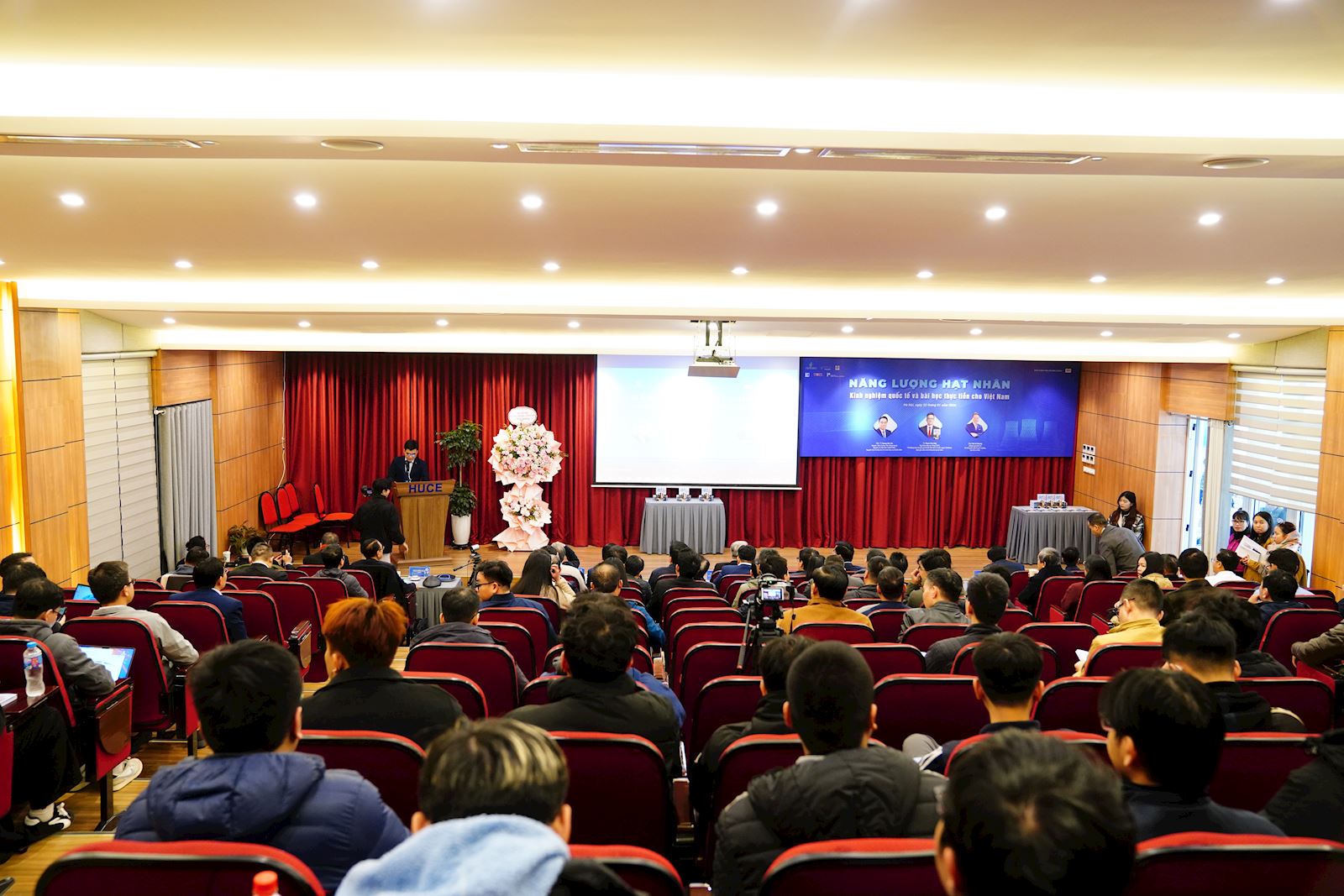
Overview of the Seminar
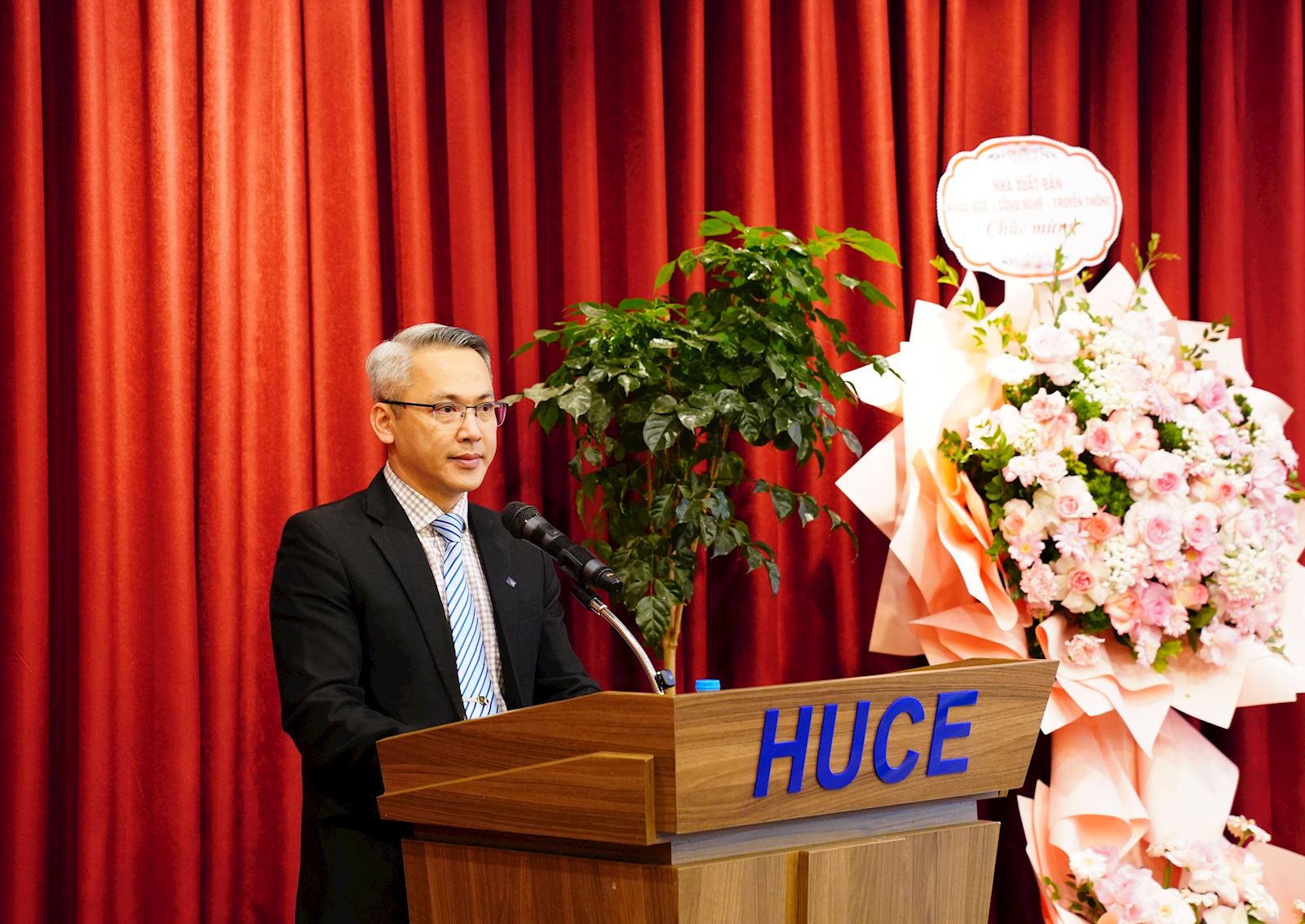
Assoc. Prof. Dr. Bui Phu Doanh – Vice Rector of Hanoi University of Civil Engineering, delivered a speech at the seminar.
Phòng Truyền thông & Tuyển sinh