







On the morning of November 17, 2026, Hanoi University of Civil Engineering (HUCE), in collaboration with the Japanese Ministry of Environment, organized a technical workshop titled “Promoting Decentralized Domestic Wastewater Management in Vietnam”. The workshop served as a forum for professional exchange between Vietnamese and Japanese managers, scientists, experts, and businesses, aiming to share experiences, update technologies, and propose solutions to improve the efficiency of on-site domestic wastewater management and treatment, contributing to environmental protection and sustainable development.
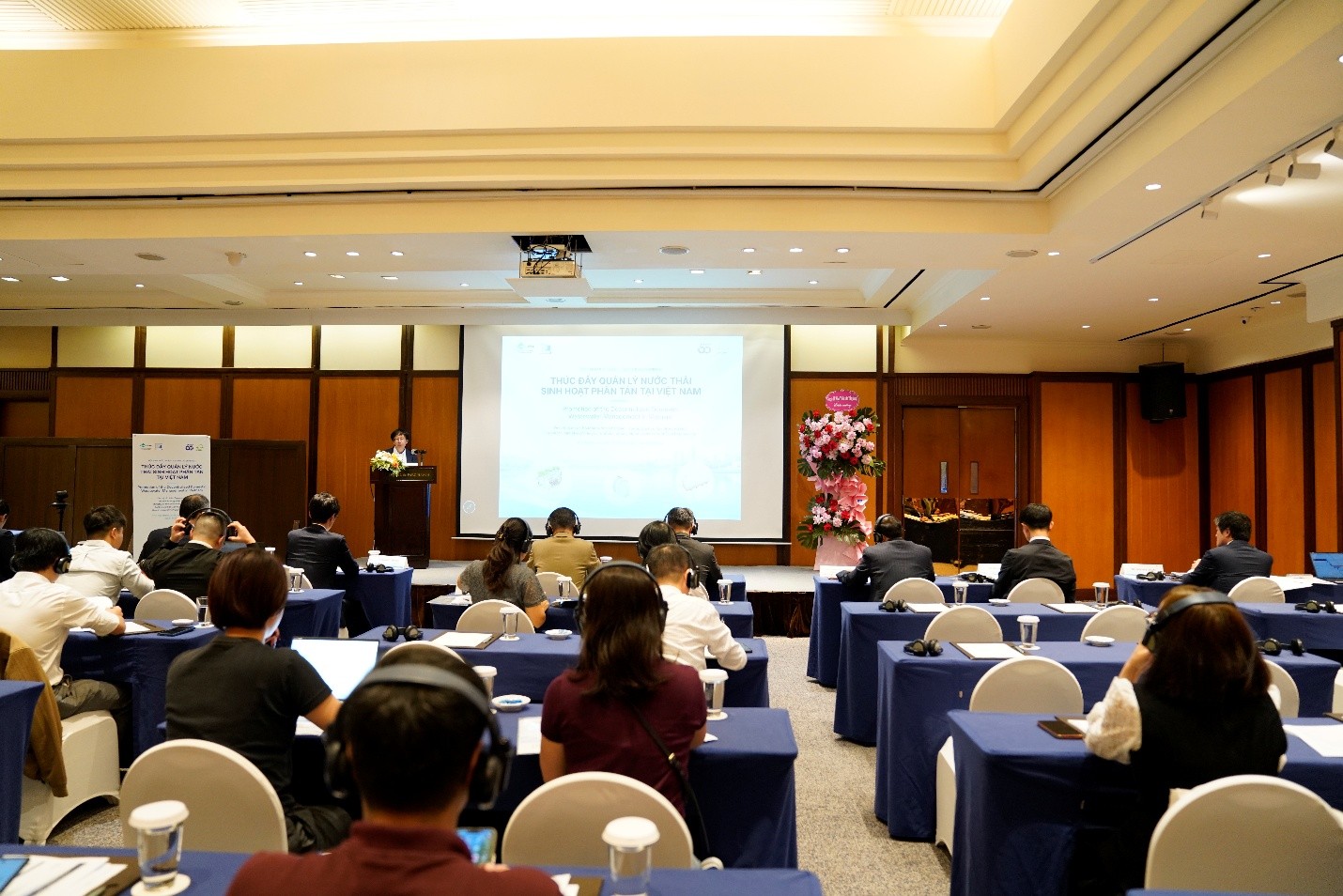
Overview of the conference
Attending the workshop were, on the Japanese Ministry of Environment, Mr. Masashi Taketani – Head of the Johkasou Promotion Office; on the Vietnamese side, Mr. Luong Ngoc Khanh – Deputy Head of the Drainage Management Department, Department of Technical Infrastructure; and on the side of Hanoi University of Civil Engineering, Prof. Dr. Nguyen Viet Anh – Director of the Institute of Environmental Science and Technology, Vice President of the Vietnam Water Supply and Drainage Association; Dr. Nguyen Tien Dung – Head of the Department of External Relations and International Cooperation, along with numerous experts, scientists, and representatives from businesses and organizations operating in the fields of water supply, drainage, and environmental sanitation from both countries.
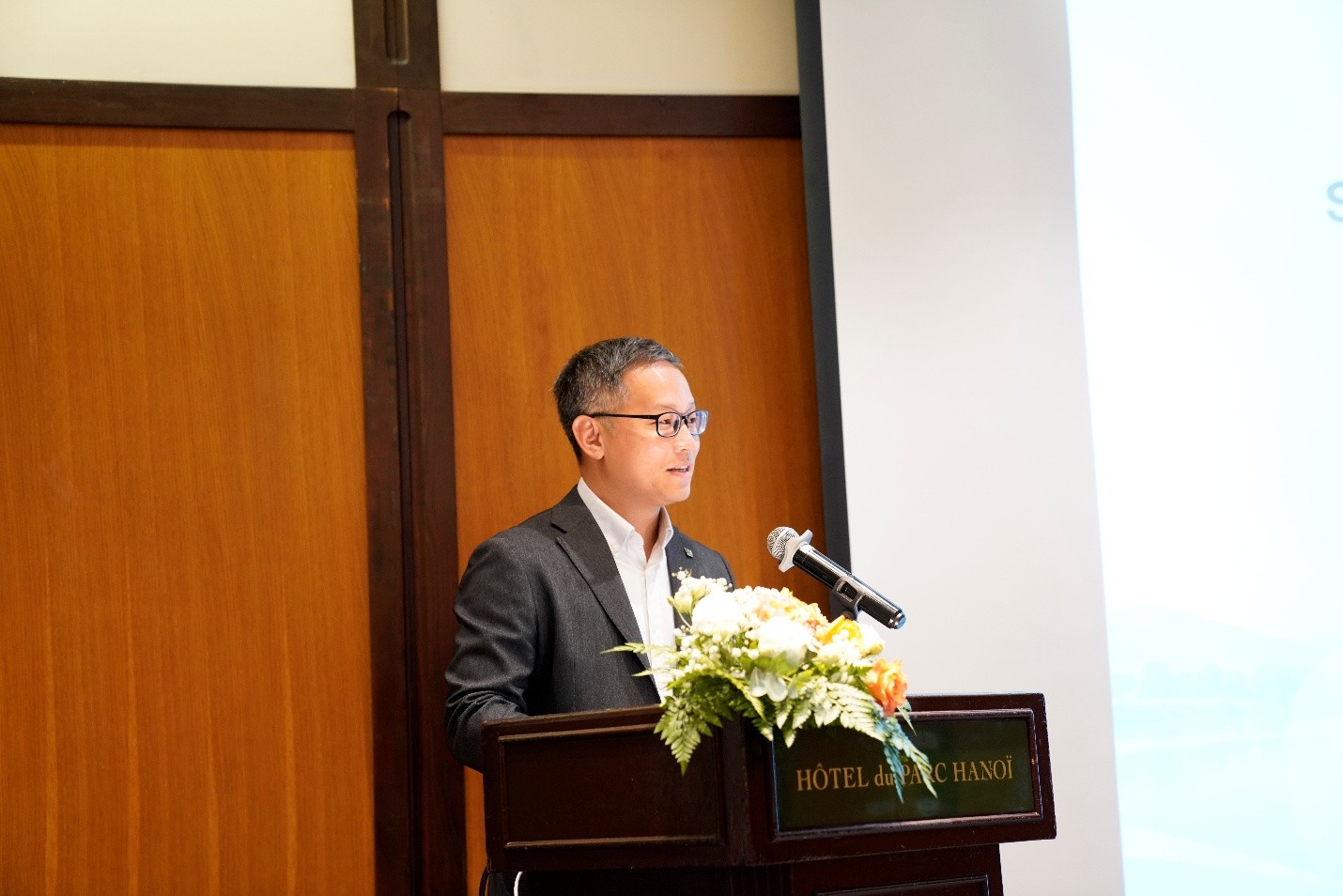
Dr. Nguyen Tien Dung - Head of the Department of External Relations and International Cooperation (HUCE) delivered the opening remarks at the workshop.
In his opening remarks, Dr. Nguyen Tien Dung emphasized that managing domestic wastewater is an urgent requirement in Vietnam. While centralized treatment systems still face difficulties in terms of capital and infrastructure, the decentralized treatment model is considered a suitable supplementary solution, especially in suburban areas, rural areas, and dispersed residential areas. Besides technology selection, attention should be paid to managing the entire lifecycle of the system, from operation and maintenance to quality control, to ensure treatment efficiency and system sustainability.
The workshop, scheduled for November 2026, coinciding with the University's 70th anniversary of training and 60th anniversary of its establishment, further affirms the orientation of linking scientific research and technology transfer with international cooperation and addressing practical issues.
Sharing experiences, updating technologies, and providing solutions for decentralized wastewater management.
Opening the professional program, Prof. Dr. Nguyen Viet Anh – Director of the Institute of Environmental Science and Engineering, Hanoi University of Civil Engineering, and Vice President of the Vietnam Water Supply and Drainage Association – presented an introductory report on the topic “Decentralized Wastewater Management in Vietnam: Current Status, Relevant Legal Regulations and Standards, Best Practices, and Challenges”.
The report focuses on analyzing the current state of decentralized wastewater management in Vietnam, the existing policy framework, regulations, and standards, and the challenges in the implementation process. Professor Nguyen Viet Anh emphasized the need to develop both centralized and decentralized wastewater treatment systems simultaneously, meeting the specific conditions of each urban, suburban, and rural area.
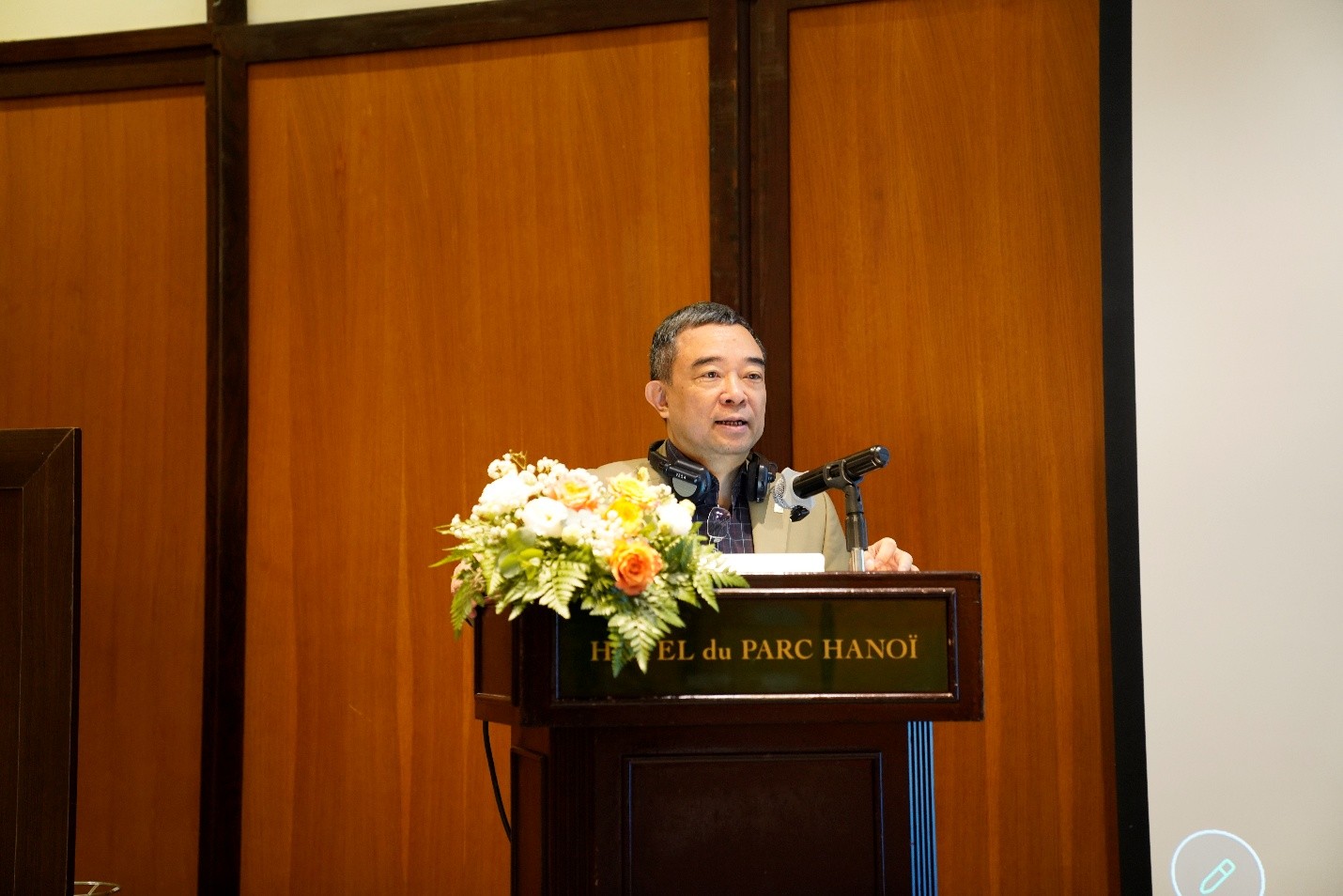
Professor Dr. Nguyen Viet Anh - Director of the Institute of Environmental Science and Engineering, Hanoi University of Civil Engineering, and Vice President of the Vietnam Water Supply and Drainage Association - presented a report at the conference.
According to data presented at the workshop, by October 2026, Vietnam will have 83 urban wastewater treatment plants, with a total designed capacity of approximately 2.064 million m³/day, while the actual treatment capacity is approximately 1.063 million m³/day. This situation highlights the need for comprehensive attention to infrastructure investment, connection and collection capabilities, as well as operation and maintenance of the facilities.
Regarding policy and technical direction, the report proposes further improvement of the system of regulations and standards, and enhancement of testing and evaluation capacity for on-site wastewater treatment technologies. In particular, QCVN 98:2025 and TCVN 14396:2025 are mentioned as important foundations for improving equipment quality and treatment efficiency.
Notably, the report proposes a five-year implementation roadmap with three phases: standardizing testing procedures and methods; conducting inter-laboratory testing, building a network of representative tanks, and developing operation and maintenance services; and ultimately perfecting the evaluation process, expanding post-inspection, and adding criteria related to energy, sludge, emissions, and reuse.
These proposals emphasize the need for comprehensive lifecycle management of facilities, combining equipment quality control with practical operational efficiency, creating a foundation for the sustainable development of decentralized wastewater treatment solutions in Vietnam.
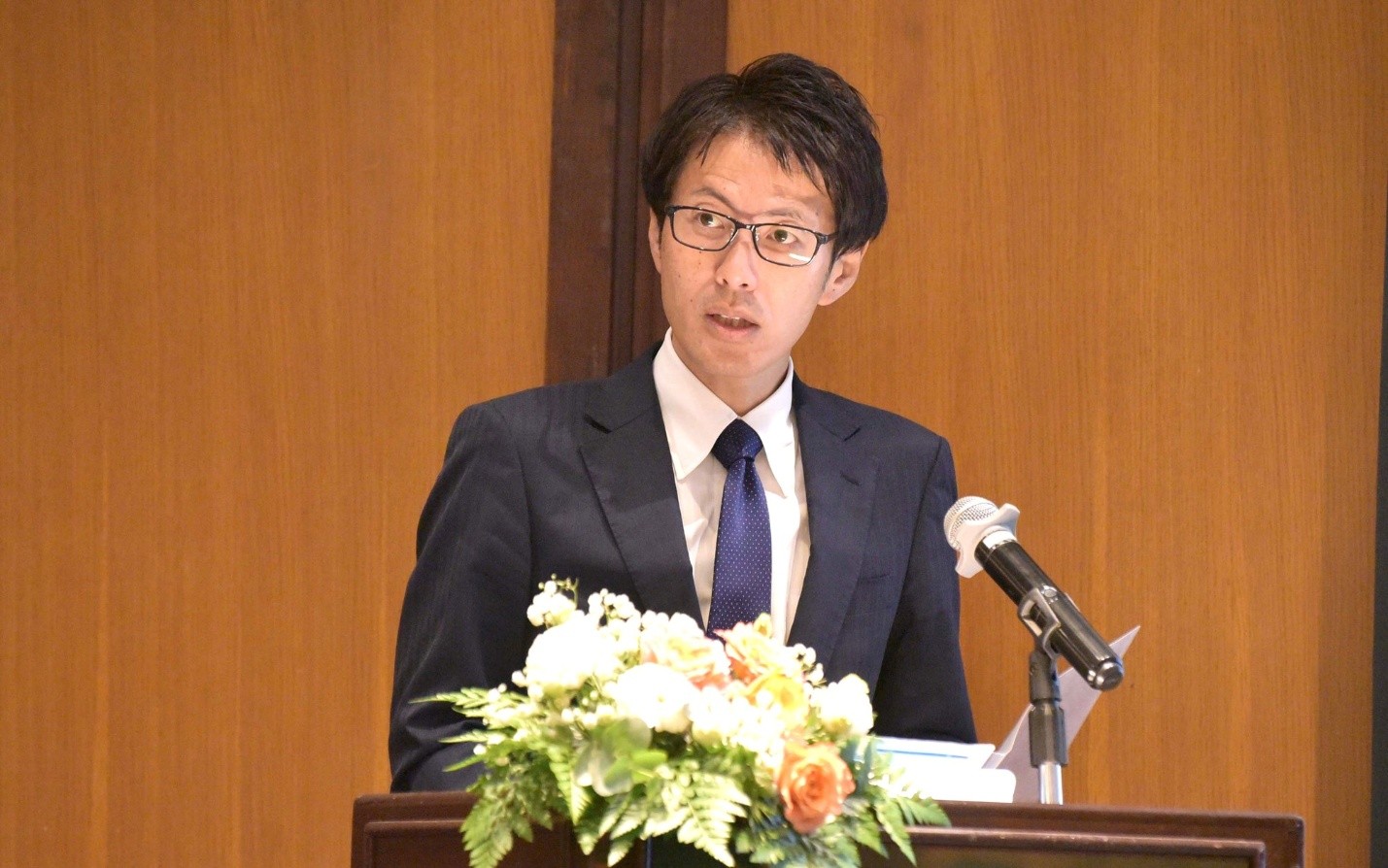
Japanese experts presented at the workshop.
Continuing the program, Japanese experts shared information on the history and current state of wastewater management in Japan and the legal framework for septic tank systems. Their practical experiences in developing, managing, and controlling the quality of Johkasou systems provided valuable insights for Vietnam in researching, selecting, and implementing on-site wastewater treatment models.
The exchange and discussion sessions between speakers and delegates focused on clarifying professional issues, implementation experiences, and the applicability of technological solutions suitable to the country's economic conditions, infrastructure, and management capacity.
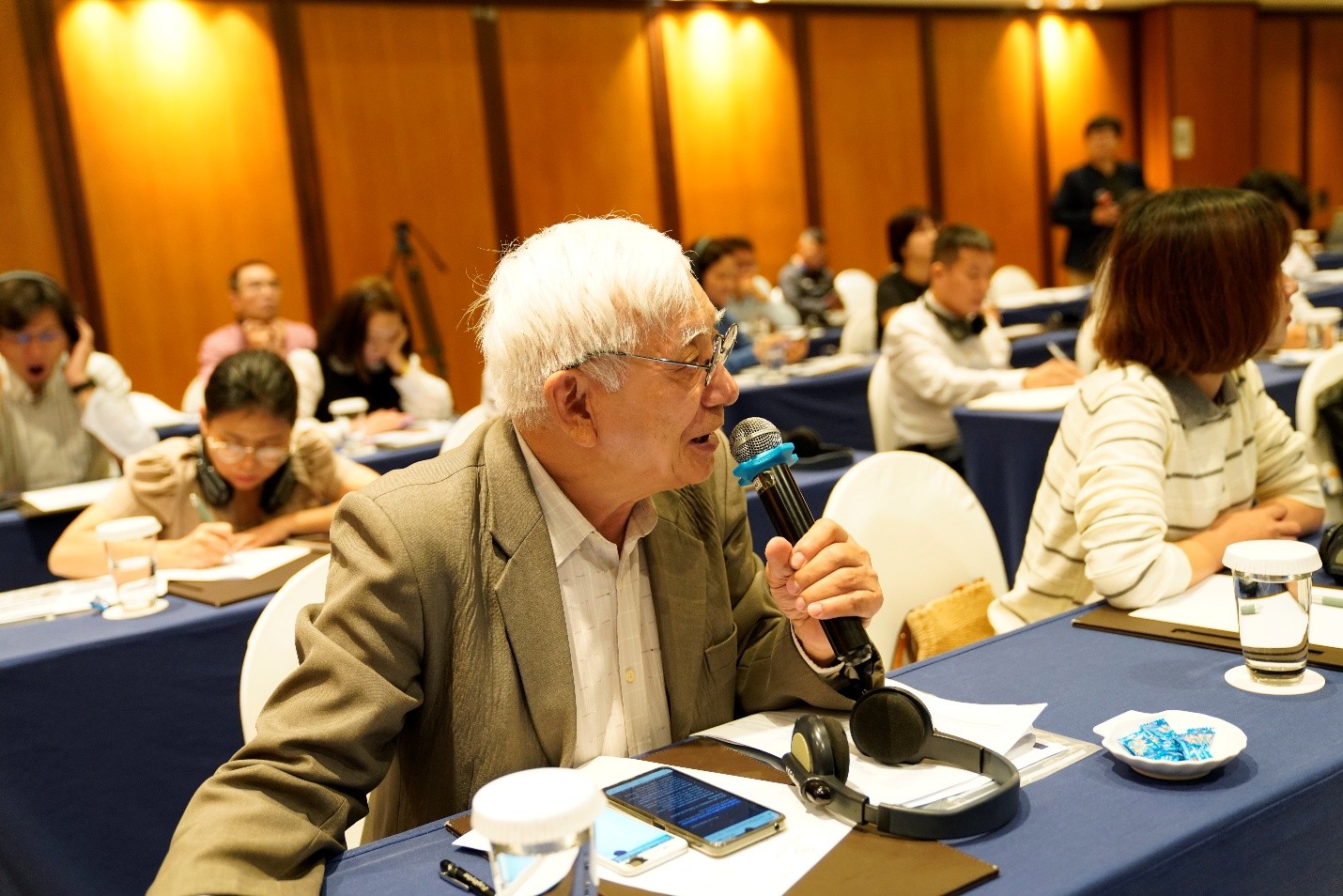
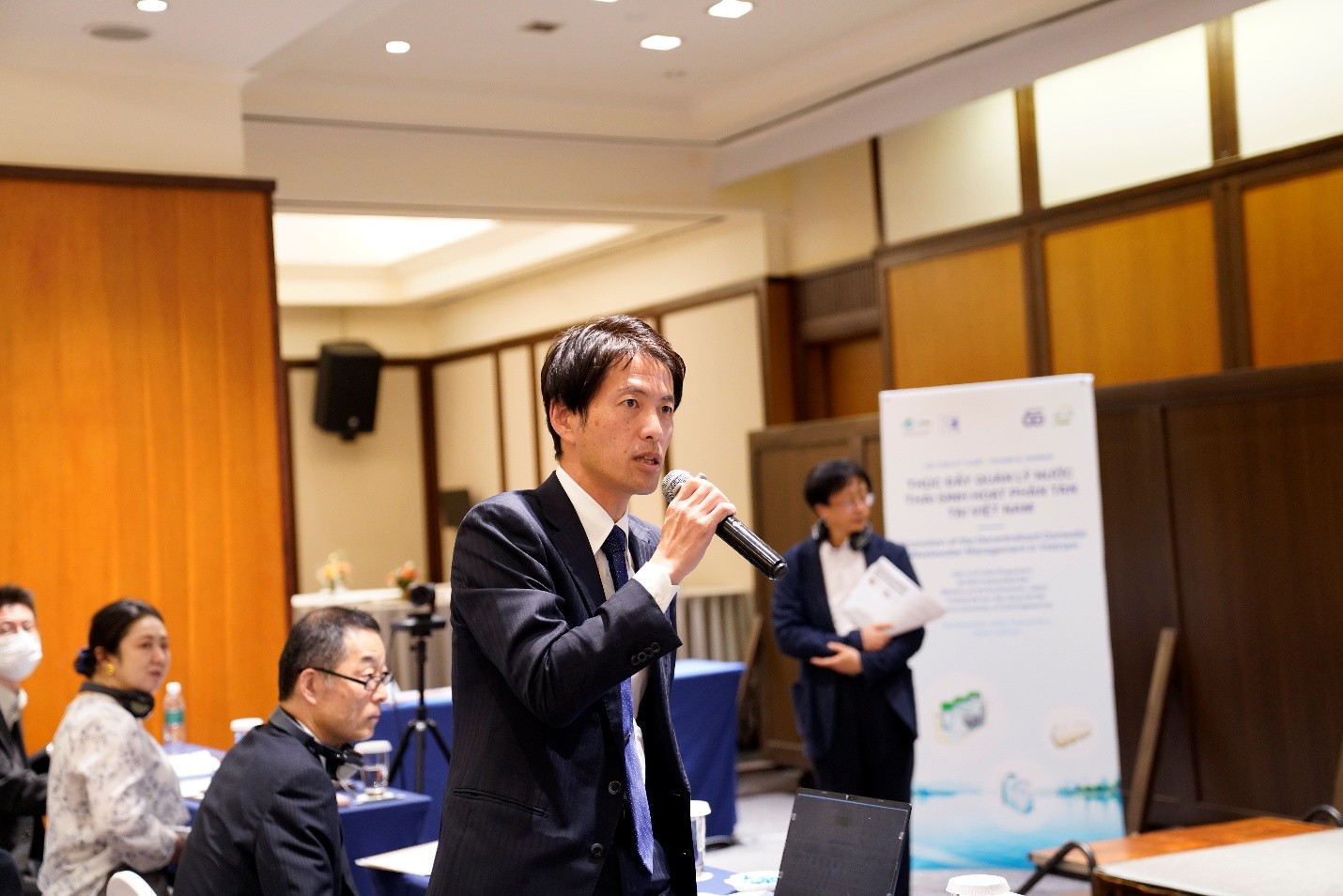
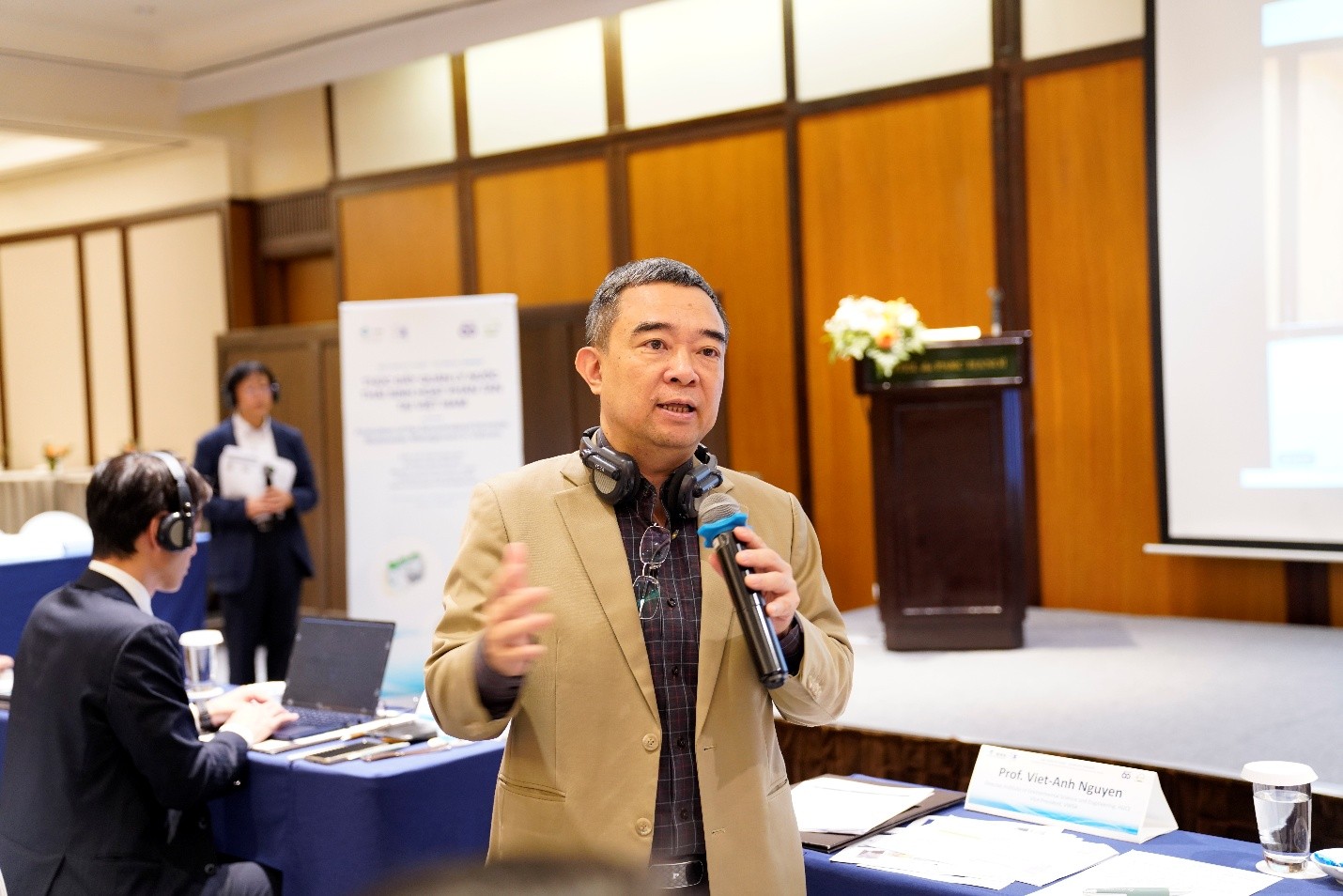
Speakers and delegates exchanged and discussed ideas at the conference.
Through this workshop, Hanoi University of Civil Engineering continues to promote connections with Japanese partners in research, training, technology development, and enhancing the capacity for testing and evaluating decentralized wastewater treatment solutions. The event also contributes to strengthening cooperation between management agencies, research institutions, universities, and businesses of the two countries in the field of water environment.
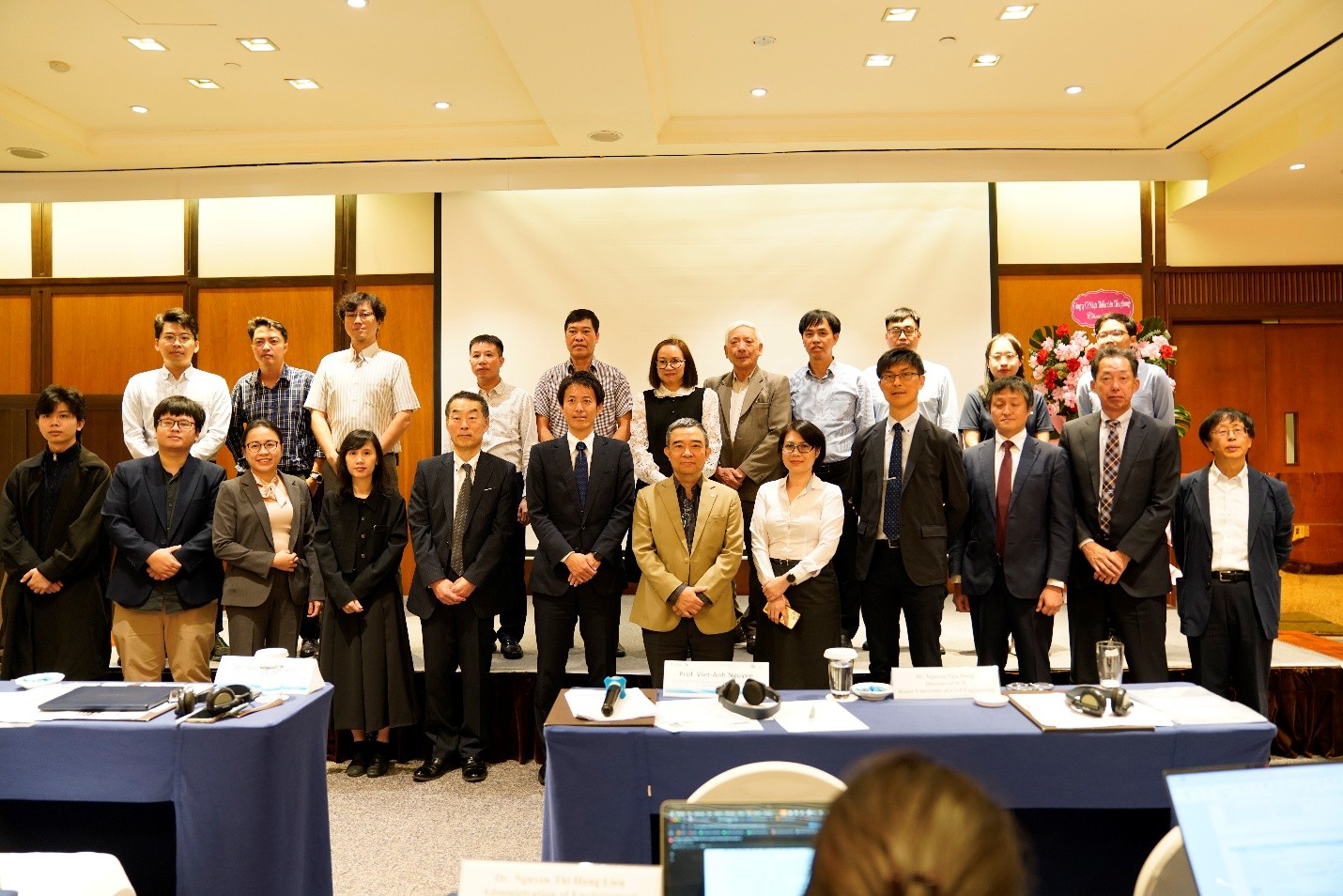
The delegates attending the workshop took a commemorative photo.
The workshop is a practical activity affirming the role of Hanoi University of Civil Engineering in connecting knowledge, promoting scientific research and technology transfer, and collaborating with management agencies and businesses to solve environmental problems, aiming for sustainable infrastructure development.
Phòng TT&TS