







- • RECTOR'S WELCOME MESSAGE
- • Missions - Vision - Core Values - Educational Philosophy - Educational Quality Policy
- • Staff
- • Science and Technology
- • Facilities
- • Achievements
- • Contact
- • TRAINING MODEL
-
History of Development
-
Organization
- • Organization chart
- • Science and Academic Council
- • Consultancy Council
- • Board of Directors
-
Academic and Funtional Units
-
Faculties
- • Faculties of Civil and Industrial Construction
- • Department of Bridge and Road Engineering
- • Faculty of Architecture and Planning
- • Faculty of Economics & Construction Management
- • Department of Building Materials
- • Department of Hydraulic Engineering
- • Faculty of Information Technology
- • Department of Environmental Engineering
- • Department of Offshore and Oil & Gas Engineering
- • High-Quality Engineering Training Department
- • Department of Political Theory
- • Department of Physical Education and National Defense
-
Functional Units
-
-
Research Groups/Institues
Introduction to the Faculty
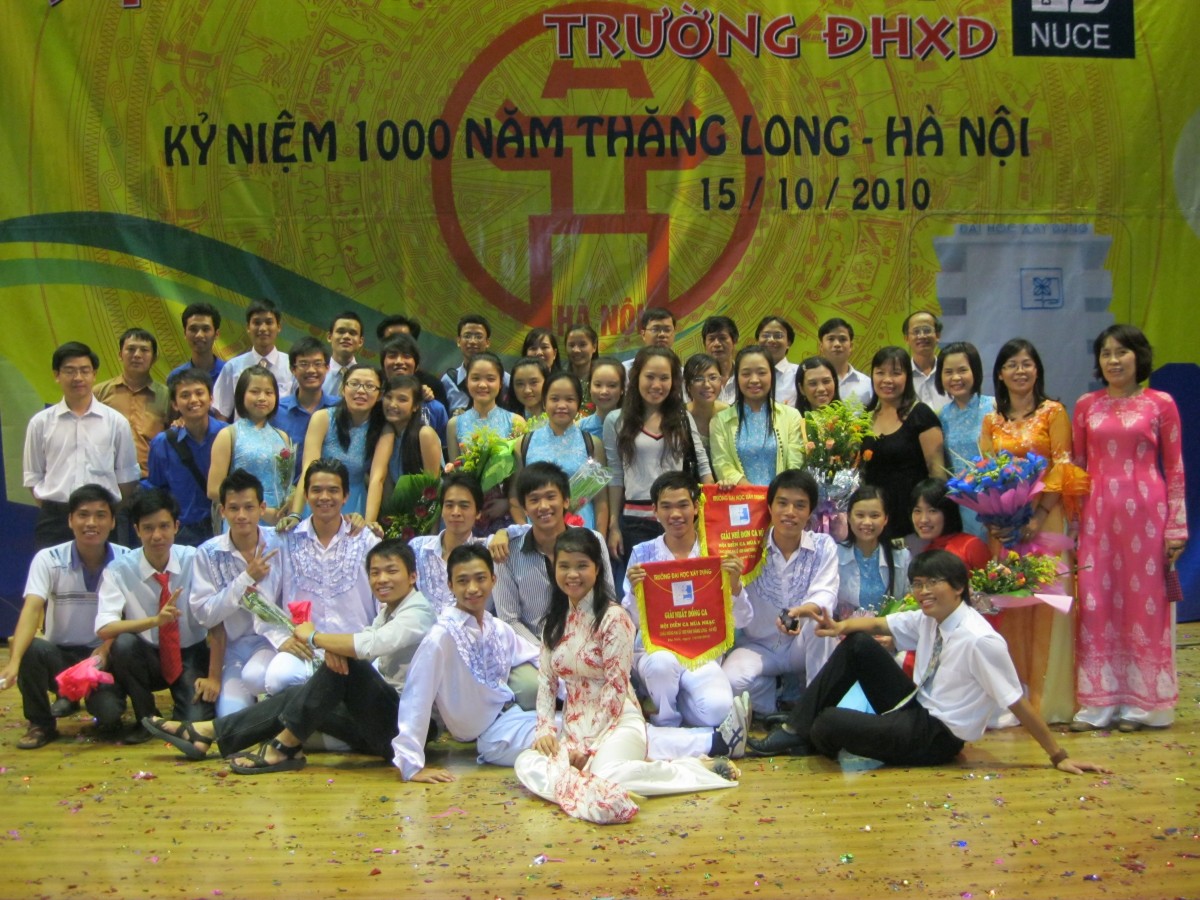
The Faculty of Information Technology was established under Decision No. 527/QD-BGD&ĐT-TCCB dated January 22, 2001, issued by the Minister of Education and Training, on the basis of the Departments of Informatics and Mathematics. The predecessor of the Department of Informatics was the Department of Computational Methods and Design Automation, established in 1970. This was one of the first departments in the field of Information Technology in higher education. The Faculty has made active and effective contributions to national development and defense.
In 1991, Hanoi University of Civil Engineering opened the Construction Informatics major. In 2001, the Ministry of Education and Training issued Decision No. 518/QD-BGD&ĐT/DH allowing Hanoi University of Civil Engineering to offer a full-time undergraduate program in Information Technology.
Organizational structure
Organizational structure diagram
Staff
|
Departments |
Training objectives
- The program aims to train highly competent civil engineers specializing in Construction Informatics within the Civil Engineering field, equipping them with comprehensive professional knowledge and essential soft skills.
- The program aims to train Information Technology engineers with strong foundational and advanced knowledge of Information Technology (IT), professional and soft skills, the ability to work independently and in teams, and the capacity to adapt to technological developments and changing work environments, thereby meeting the growing demand for IT professionals across all sectors of the economy.
Training program
Information Technology: comprises two specializations: Software Engineering and Network and Information Systems. Graduates of this program will receive a Bachelor of Engineering degree in Information Technology. Graduates will work in software production serving the national economy, software export, or participate in building, managing, and operating information systems for organizations and businesses, etc.
- Software Engineering specialization : The content of this specialization includes fundamental concepts and advanced knowledge related to methods and tools that support efficient, reliable, and cost-effective software development. Students are equipped with in-depth knowledge in the field of Software Engineering, including techniques and technologies for: Gathering, analyzing, and synthesizing software requirements from users; Software design; Software development; Implementing and managing software development projects, meeting technical requirements in real-world conditions; Techniques for cost assessment and software quality assurance; Techniques for testing, maintenance, and building technical documentation and user manuals; Applying computer science knowledge and project management to identify, analyze, and creatively and effectively solve technical problems in the field of computer software development, etc.
- Network and Information Systems specialization : The content of this specialization includes knowledge, methods, and skills focusing on two main areas: Converged Networks (Internet and computer networks, wireless mobile networks, sensor networks, etc.) and Information Systems (management information systems, decision support systems, IT infrastructure systems, information security, etc.).
Construction Informatics major : This major trains engineers in the following specializations: Civil Engineering Informatics, Bridge Construction Informatics, Road Construction Informatics, and Hydraulic Engineering Informatics. Students are equipped with knowledge in both informatics and fundamental construction principles in the aforementioned specializations. Graduates will work in consulting, design, and construction companies throughout the country, or participate in the production and transfer of construction software.
Computer Science: This field trains engineers and bachelors in Computer Science who not only possess in-depth knowledge of Computer Science and the ability to lead and manage processes related to ideation, design, implementation, and operation of Information Technology and Computer Science products/systems; who have systems thinking and high competence in applying and developing advanced technologies to provide effective solutions for automating work processes towards a digital economy in a rapidly changing world; but also who are capable of generating ideas, implementing, and operating complex computing systems and software of high scientific and technological quality.
Admission information for 2026
1. Construction Informatics specialization, Civil Engineering major
+ Admission quota : 150 students
+ Subject combinations for admission:
- Assessment based on academic transcripts and high school graduation exam scores.
| Combination 1: A00: Mathematics, Physics, Chemistry | Combination 2: A01: Mathematics, Physics, English |
| Combination 3: C01: Mathematics, Physics, Literature | Combination 4: D01: Mathematics, Literature, English |
| Combination 5: X06: Mathematics, Physics, Informatics | Combination 6: X26: Mathematics, Computer Science, English |
- Thinking Skills Assessment (organized by Hanoi University of Science and Technology)
Combination 8: K00: Mathematical Thinking, Reading Comprehension, Scientific Thinking/Problem Solving
Combination 9: SP1: Mathematics, Physics, Chemistry Combination 10: SP2: Mathematics, Physics, English Combination 11: SP4: Mathematics, Literature, English |
Combination 12: VS1: Mathematics, Physics, Chemistry Combination 13: VS2: Mathematics, Physics, English Combination 14: VS4: Mathematics, Literature, English |
+ Admission scores for previous years:
| Admission score in 2021: 23 points | Admission score in 2022: 20.75 points |
| Admission score in 2023: 21.2 points | Admission cutoff score in 2024: 23.20 points |
| Admission cutoff score in 2025: 23.85 points | |
+ Introduction to the major: https://bit.ly/3tQ1Fgj
2. Computer Science major
+ Enrollment quota: 100 students
+ Subject combinations for admission:
- Assessment based on academic transcripts and high school graduation exam scores.
| Combination 1: A00: Mathematics, Physics, Chemistry | Combination 2: A01: Mathematics, Physics, English |
| Combination 3: C01: Mathematics, Physics, Literature | Combination 4: D01: Mathematics, Literature, English |
| Combination 5: X06: Mathematics, Physics, Informatics | Combination 6: X26: Mathematics, Computer Science, English |
- Thinking Skills Assessment (organized by Hanoi University of Science and Technology)
Combination 8: K00: Mathematical Thinking, Reading Comprehension, Scientific Thinking/Problem Solving
Combination 9: SP1: Mathematics, Physics, Chemistry Combination 10: SP2: Mathematics, Physics, English Combination 11: SP4: Mathematics, Literature, English |
Combination 12: VS1: Mathematics, Physics, Chemistry Combination 13: VS2: Mathematics, Physics, English Combination 14: VS4: Mathematics, Literature, English |
+ Admission scores for previous years:
| Admission score in 2021: 25 points | Admission score in 2022: 24.9 points |
| Admission score in 2023: 23.91 points | Admission score in 2024: 24.60 points |
| Admission cutoff score in 2025: 25.50 points | |
+ Introduction to the major: https://bit.ly/39F73fs
3. Information Technology major
+ Enrollment quota: 250 students
+ Subject combinations for admission:
- Assessment based on academic transcripts and high school graduation exam scores.
| Combination 1: A00: Mathematics, Physics, Chemistry | Combination 2: A01: Mathematics, Physics, English |
| Combination 3: C01: Mathematics, Physics, Literature | Combination 4: D01: Mathematics, Literature, English |
| Combination 5: X06: Mathematics, Physics, Informatics | Combination 6: X26: Mathematics, Computer Science, English |
- Thinking Skills Assessment (organized by Hanoi University of Science and Technology)
Combination 8: K00: Mathematical Thinking, Reading Comprehension, Scientific Thinking/Problem Solving
Combination 9: SP1: Mathematics, Physics, Chemistry Combination 10: SP2: Mathematics, Physics, English Combination 11: SP4: Mathematics, Literature, English |
Combination 12: VS1: Mathematics, Physics, Chemistry Combination 13: VS2: Mathematics, Physics, English Combination 14: VS4: Mathematics, Literature, English |
+ Admission scores for previous years:
| Admission score in 2021: 25.35 points | Admission score in 2022: 25.40 points |
| Admission score in 2023: 24.1 points | Admission cutoff score in 2024: 24.75 points |
| Admission cutoff score in 2025: 25.60 points | |
+ Introduction to the major: https://bit.ly/3u9KzKL
4. Multimedia Technology specialization, Information Technology major
+ Enrollment quota: 100 students
+ Subject combinations for admission:
- Assessment based on academic transcripts and high school graduation exam scores.
| Combination 1: A00: Mathematics, Physics, Chemistry | Combination 2: A01: Mathematics, Physics, English |
| Combination 3: C01: Mathematics, Physics, Literature | Combination 4: D01: Mathematics, Literature, English |
| Combination 5: X06: Mathematics, Physics, Informatics | Combination 6: X26: Mathematics, Computer Science, English |
- Thinking Skills Assessment (organized by Hanoi University of Science and Technology)
Combination 8: K00: Mathematical Thinking, Reading Comprehension, Scientific Thinking/Problem Solving
Combination 9: SP1: Mathematics, Physics, Chemistry Combination 10: SP2: Mathematics, Physics, English Combination 11: SP4: Mathematics, Literature, English |
Combination 12: VS1: Mathematics, Physics, Chemistry Combination 13: VS2: Mathematics, Physics, English Combination 14: VS4: Mathematics, Literature, English |
+ Admission scores for previous years:
| Admission cutoff score in 2024: 24.00 points | Admission cutoff score in 2025: 25.10 points |
+ Introduction to the major: https://tuyensinh.huce.edu.vn/nganh-cong-nghe-thong-tin-chuyen-nganh-cong-nghe-da-phuong-tien
5. Data Science major
+ Enrollment quota: 50 students
+ Subject combinations for admission:
- Assessment based on academic transcripts and high school graduation exam scores.
| Combination 1: A00: Mathematics, Physics, Chemistry | Combination 2: A01: Mathematics, Physics, English |
| Combination 3: C01: Mathematics, Physics, Literature | Combination 4: D01: Mathematics, Literature, English |
| Combination 5: X06: Mathematics, Physics, Informatics | Combination 6: X26: Mathematics, Computer Science, English |
- Thinking Skills Assessment (organized by Hanoi University of Science and Technology)
Combination 8: K00: Mathematical Thinking, Reading Comprehension, Scientific Thinking/Problem Solving
Combination 9: SP1: Mathematics, Physics, Chemistry Combination 10: SP2: Mathematics, Physics, English Combination 11: SP4: Mathematics, Literature, English |
Combination 12: VS1: Mathematics, Physics, Chemistry Combination 13: VS2: Mathematics, Physics, English Combination 14: VS4: Mathematics, Literature, English |
+ Admission scores for previous years:
Admission cutoff score in 2025: 25 points
+ Introduction to the major: https://tuyensinh.huce.edu.vn/nganh-khoa-hoc-du-lieu
6. Information Security specialization, Information Technology major
+ Enrollment quota: 50 students
+ Subject combinations for admission:
- Assessment based on academic transcripts and high school graduation exam scores.
| Combination 1: A00: Mathematics, Physics, Chemistry | Combination 2: A01: Mathematics, Physics, English |
| Combination 3: C01: Mathematics, Physics, Literature | Combination 4: D01: Mathematics, Literature, English |
| Combination 5: X06: Mathematics, Physics, Informatics | Combination 6: X26: Mathematics, Computer Science, English |
- Thinking Skills Assessment (organized by Hanoi University of Science and Technology)
Combination 8: K00: Mathematical Thinking, Reading Comprehension, Scientific Thinking/Problem Solving
Combination 9: SP1: Mathematics, Physics, Chemistry Combination 10: SP2: Mathematics, Physics, English Combination 11: SP4: Mathematics, Literature, English |
Combination 12: VS1: Mathematics, Physics, Chemistry Combination 13: VS2: Mathematics, Physics, English Combination 14: VS4: Mathematics, Literature, English |
+ Admission scores for previous years:
Admission cutoff score in 2025: 25.35 points
+ Introduction to the major:
https://tuyensinh.huce.edu.vn/nganh-cong-nghe-thong-tin-chuyen-nganh-an-toan-thong-tin
Scientific Research
The Faculty of Information Technology focuses on research directions in the fields of Construction Informatics, Information Technology, Mathematics and Applied Mathematics, including:
Construction Informatics:
- Research and development of construction software and new technologies such as BIM technology; research and development of numerical methods for modeling and simulation to determine the mechanical properties of construction materials and the behavior of structures; research on new and advanced construction technologies.
Information Technology: The main research areas include:
- Methods for analyzing, specifying, and designing information systems (IS) and service-oriented architecture (SOA) systems; techniques and technologies for developing web-based systems, open-source software, and cloud computing; software development technologies in the .NET environment; mobile application development technologies for Android and iOS; and Software Engineering techniques such as software project management, software testing, development-process quality assurance, and software quality assurance.
- Information security and network security; modeling; systems modeling; decision support systems; methods of system analysis and design; data mining; Next-generation networks and wireless sensor networks (NGN); cloud computing and mobile computing.
- Development of embedded systems and microelectromechanical systems; digital circuit engineering; and network function virtualization in communication networks.
Mathematics:
- Research on the theory of value distribution of meromorphic mappings to complex manifolds; Gaussian mappings of minimal surfaces; Geometric properties of hyperbolic complex spaces; Algebraic group representation theory; Variational methods for studying the existence of weak solutions to elliptic boundary value problems; fuzzy logic and intelligent computing in information technology, etc.
Applied Mathematics:
- The research applies modern mathematical methods in calculus; probability and statistics; mathematical optimization; numerical analysis; combining programming software (C, Fortran, etc.) and application software (Mathematica, Matlab, Maple, etc.) for numerical solutions; simulation; and data analysis of engineering problems.
Contact
- Office of the Faculty of Information Technology, Room 410, Building A1, Hanoi University of Civil Engineering, 55 Giai Phong Street, Bach Mai Ward, Hanoi City.
- Hotline: 0904310277
- Email: fit@huce.edu.vn
- Website: https://fit.huce.edu.vn
- Fanpage: https://www.facebook.com/cnttdhxd